
Buying in Monkton can mean more land, more privacy, and a different set of due-diligence questions than a typical suburban purchase. A clear review of the well, septic system, access road, drainage, and maintenance responsibilities can help you understand a property’s day-to-day operation before making an offer. This guide outlines practical questions to ask and inspections to consider as you compare rural homes in northern Baltimore County.
Start With the Systems That Serve the Home
Many Monkton properties rely on private wells and on-site septic systems rather than public water and sewer connections. These systems can serve a home reliably for many years, but they deserve focused attention during the buying process. A listing description may mention a recent pump, a new water-treatment component, or a septic inspection, yet buyers should still review the supporting documentation and understand exactly what was tested.
For a private well, a water-quality test is one of the most useful early steps. The scope can vary by property and loan program, but buyers commonly ask about bacteria, nitrate levels, pH, and other locally relevant indicators. If the home has a treatment system, find out whether it is a filtration unit, softener, neutralizer, ultraviolet system, or another component. Ask who maintains it, how often it needs service, whether the equipment is owned or leased, and what records are available.
The well’s location and construction are worth reviewing, too. An inspector or qualified well professional can help identify visible concerns around the well cap, grading, drainage, and access for future service. It is also helpful to ask the seller about water pressure, seasonal changes in water supply, and any history of repairs. These questions are not about assuming there is a problem; they are about building a realistic maintenance plan for a major home system.
A water test tells you about water quality at the time of testing, while service records and seller disclosures can add useful context about the system’s history and ongoing upkeep.
Septic due diligence should go beyond confirming that a home has an on-site system. Request available permits, installation information, pumping receipts, repair invoices, and any inspection reports. The age of the system, number of bedrooms it is approved to serve, tank access, and drainfield location can all influence maintenance decisions. A qualified septic inspection may include locating components, evaluating the tank, and assessing whether the system is operating as expected.
Read the Land Along With the House
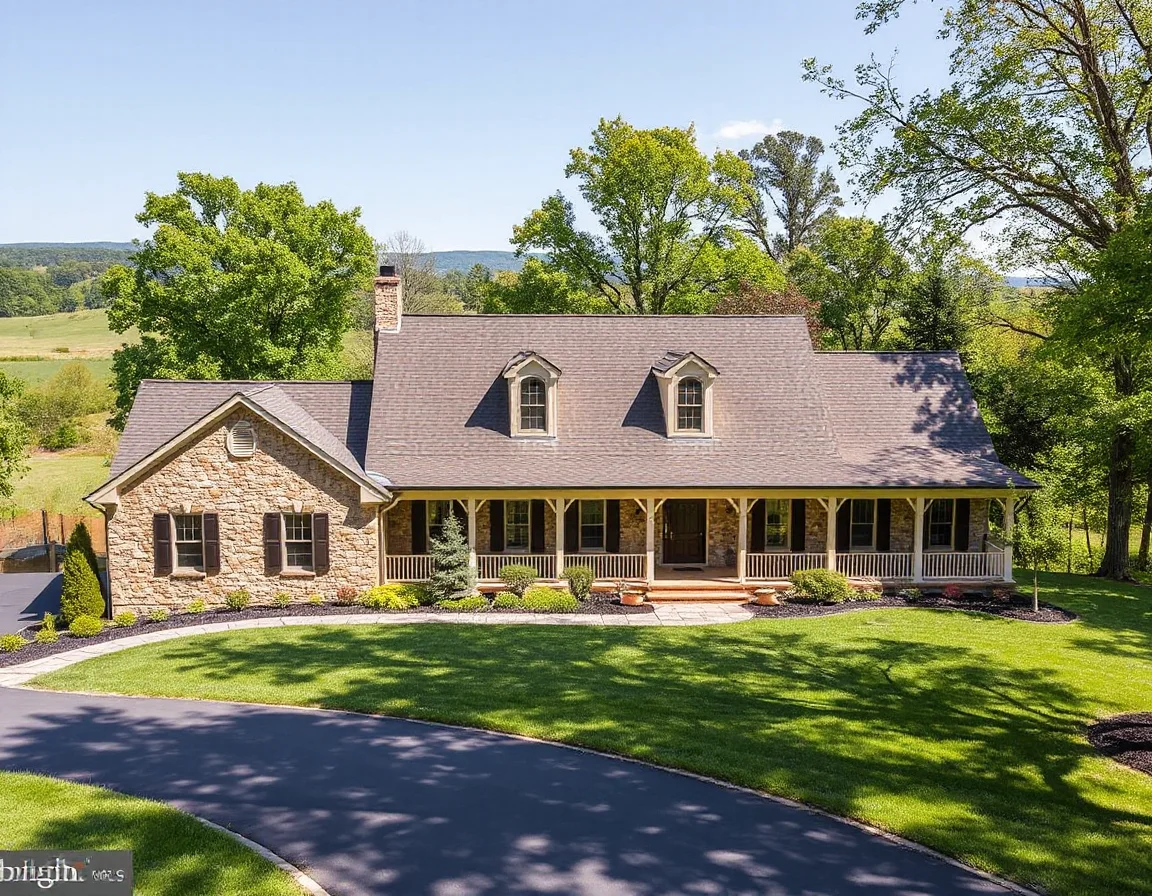
Rural property ownership is closely tied to the land itself. During showings, take time to notice the terrain around the home, the direction of water flow after rain, the condition of retaining areas, and the practical routes to the well and septic components. Mature trees, open acreage, stone walls, and long views are part of Monkton’s appeal, but each feature can also bring a maintenance consideration.
Drainage is especially important because surface water can affect driveways, foundations, landscaping, and access to service areas. Look for swales, culverts, downspout extensions, gravel transitions, and visible signs that water has been directed away from the home. Ask whether the seller has completed grading work, installed drainage improvements, or repaired washouts. A home inspector can identify visible conditions, while specialists may be appropriate if a particular concern appears during the inspection period.
Buyers should also verify property boundaries, easements, and any shared-access arrangements. A survey, title review, and property records can clarify whether a driveway crosses another parcel, whether utility access is shared, or whether there are recorded rights of way. Do not rely solely on fences, tree lines, or informal neighbor understandings when making decisions about boundaries or future improvements.
Learn about buyer representation in Maryland
Know What It Takes to Maintain a Rural Road
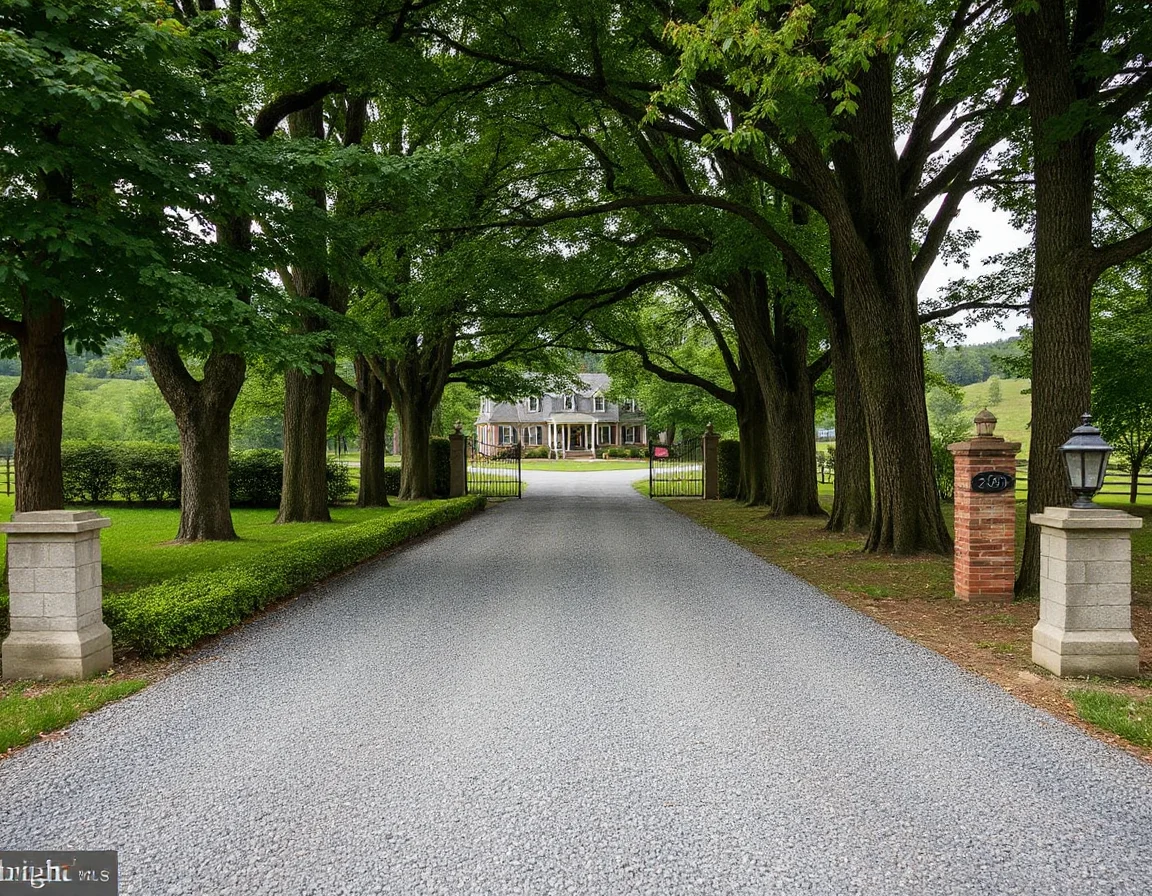
A country road or private driveway can create a memorable arrival, but it should be evaluated with the same care as the home’s interior. Determine whether the road is publicly maintained, privately maintained, or subject to a shared agreement. If a road is private, ask about annual costs, snow removal arrangements, resurfacing plans, drainage repairs, and how decisions are made among the owners who use it.
Walk or drive the full route when possible. Pay attention to slope, width, gravel depth, potholes, low-hanging branches, sight lines, turning space, and areas where water crosses the road. Consider practical access for delivery vehicles, moving trucks, waste-hauling services, and emergency response. These are everyday usability questions, not merely cosmetic ones, and the answers may affect both your budget and your comfort with the property.
Seasonal conditions matter as well. A dry-day showing may not reveal how a driveway performs during heavy rain, leaf fall, ice, or snow. Sellers may be able to explain their regular maintenance routine, and neighbors or road agreements may provide additional written information. For a long shared drive, it is reasonable to ask how costs have been divided in recent years and whether any larger work has been discussed.
A rural setting can also mean more distance between the home and services. Before writing an offer, check internet options, cellular coverage at the house, trash collection arrangements, mail delivery, propane or heating-oil service if applicable, and travel routes to the places you use regularly. Verify information directly with providers rather than relying on a coverage map or a general statement in marketing materials.
Build a Thoughtful Inspection Plan
The strongest offers are not necessarily the ones with the fewest questions; they are the ones built on a clear understanding of the property. In addition to a general home inspection, your plan may include water testing, septic evaluation, radon testing, chimney review, pest inspection, survey review, and specialist consultations based on the home’s age and condition. Your contract terms, financing requirements, and advice from qualified professionals will help determine the right scope.
Keep your questions organized in a single list. Ask for utility costs, maintenance schedules, warranties, permits, receipts, and any reports connected to significant improvements. If the property includes outbuildings, fencing, generators, pools, barns, or extensive landscaping, include those items in your evaluation as well. A rural home often has more components than meet the eye on a first visit.
For rural homes, the condition of the well, septic system, drainage, and access route can be as important to long-term planning as the roof, heating system, and kitchen finishes.
Monkton offers distinctive homes and landscapes, from historic residences to newer construction on generous lots. With the right questions and inspections, buyers can move through the process with more confidence and a better understanding of how the property works beyond the front door. Careful preparation helps turn the appeal of a rural setting into an informed purchase decision.