
A White Marsh condo can offer a streamlined way to own real estate, but the monthly fee and association rules deserve the same attention as the purchase price. Reviewing the budget, reserve funding, rental policies, and upcoming projects early can help buyers compare properties with a clearer view of long-term costs and flexibility.
Start With the Full Monthly Cost
Condo shopping in White Marsh often begins with a list price, bedroom count, parking arrangement, and location near daily conveniences or major commuter routes. Those details matter, but a thoughtful comparison also includes the condominium fee. That monthly amount is not simply an add-on to a mortgage payment; it is a shared contribution toward operating and maintaining the community. Understanding what it covers can make one property easier to evaluate against another.
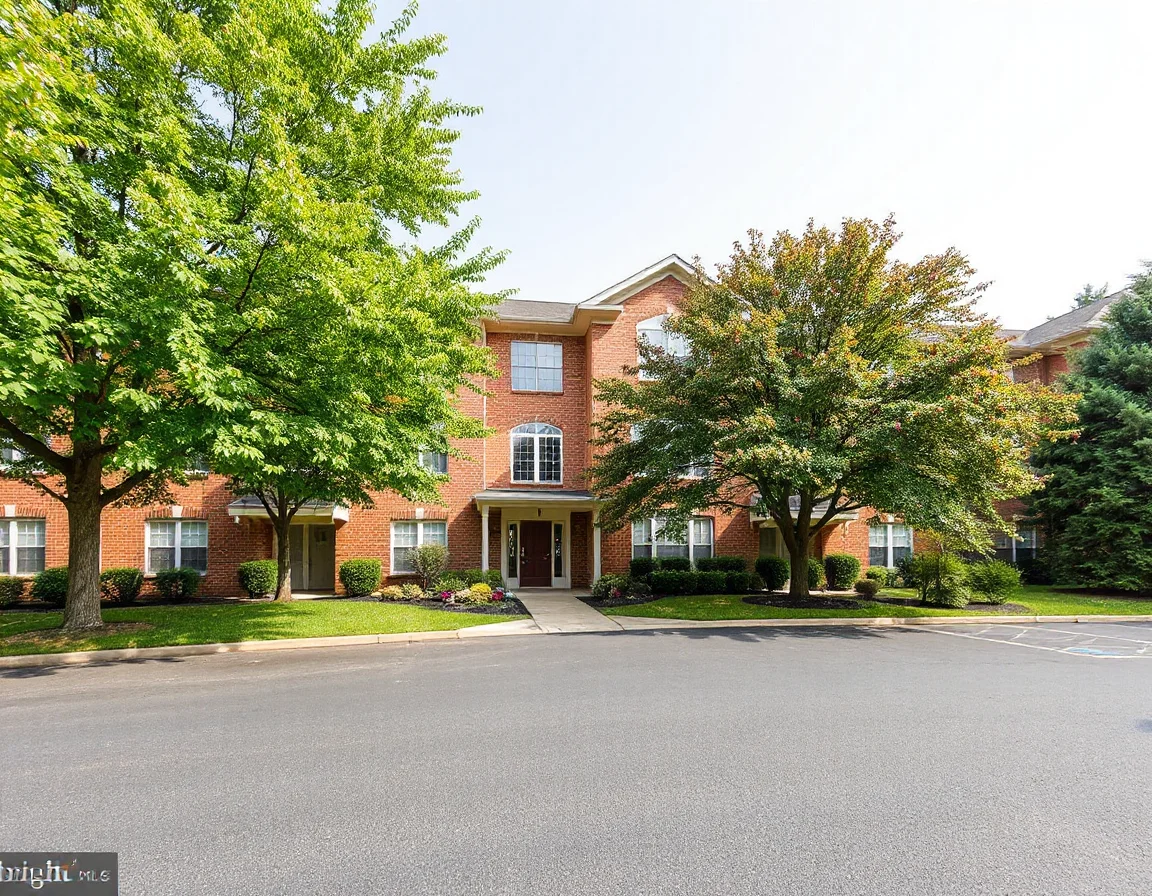
Association fees may fund services such as exterior maintenance, roof replacement planning, common-area utilities, snow removal, landscaping, insurance for association-owned elements, management, amenity upkeep, or water and sewer service. The exact package varies substantially. A lower fee is not automatically a better value if major maintenance has been deferred or if owners are likely to face a special assessment later. Likewise, a higher fee can be easier to justify when the budget, services, and reserve planning are well documented.
Ask for the current fee amount, the payment schedule, and a clear list of included services. It is also useful to learn whether the fee has changed in recent years and whether the board has discussed another increase. Compare the total estimated monthly housing cost: principal, interest, property taxes, insurance, mortgage insurance if applicable, and the condo fee. This all-in number is usually more useful for planning than focusing on the loan payment alone.
A condo fee should be evaluated as a package of services, insurance obligations, maintenance planning, and reserve funding—not as a standalone number.
Buyers using financing should also confirm that the monthly fee fits comfortably within lender guidelines and their own budget. Some loan programs have additional condominium review requirements, especially when a community has a high percentage of rentals, pending litigation, limited insurance coverage, or budget concerns. Checking these items early can prevent a promising purchase from becoming a last-minute financing problem.
Read the Budget, Reserves, and Meeting Materials
Association documents are where the practical story of a condo community becomes clearer. Maryland condominium resale packages commonly provide important financial and governance information, and buyers should allow time to review it rather than treating it as routine paperwork. The annual budget shows how income from fees is allocated. It can reveal whether spending is concentrated on utilities, management, insurance, grounds, repairs, or amenities.
Reserve funds deserve especially close attention. Reserves are savings set aside for significant future repairs and replacements, such as roofing, pavement, drainage work, siding, elevators, common mechanical systems, or other shared components. No one document can predict every future expense, but a community that plans for major work is generally easier to assess than one relying solely on current-year dues for long-term needs.
Meeting minutes can be equally revealing. Look for recurring conversations about leaks, repairs, insurance claims, contractor disputes, capital projects, rule changes, or special assessments. A mention of a problem is not necessarily a reason to walk away; well-run associations discuss issues and make repairs. The important question is whether the board has a practical plan, credible bids, sufficient funding, and clear communication with unit owners.
- Review the current operating budget and recent financial statements.
- Ask whether a reserve study exists and when it was last updated.
- Check for pending or recently approved special assessments.
- Read recent board meeting minutes for maintenance and insurance discussions.
- Confirm the master insurance coverage and the unit owner’s insurance responsibilities.
Insurance is often misunderstood in condo ownership. The association’s master policy may cover portions of the building or common elements, but a unit owner may still need an HO-6 policy for personal property, liability, interior improvements, deductibles, and other gaps. A qualified insurance professional can explain how the association documents affect coverage for a specific unit.
Learn about buyer representation in Maryland
Rental Rules Can Shape Future Flexibility
Rental policies are another essential part of the decision, even for buyers planning to occupy the home themselves. Life changes can create a future need to rent a unit temporarily, and the association’s rules may affect whether that is possible. Some communities allow rentals with registration requirements, lease minimums, tenant orientation, or board notification. Others impose rental caps, waiting periods, restrictions on short-term rentals, or limitations that change as the owner-occupancy ratio changes.

Do not rely on a listing description or a verbal summary of rental rules. Request the governing documents, including the declaration, bylaws, rules and regulations, and any rental policy or leasing addendum. Then verify whether there is a cap, how many units are currently rented, whether a waiting list exists, and whether the rule applies to the specific unit being considered. Rules can be amended, so current documentation is important.
Rental restrictions can influence more than personal flexibility. Lenders may review the number of investor-owned units when evaluating a condominium project, and prospective future buyers may also weigh rental flexibility in their decision-making. At the same time, a clearly administered rental policy can provide consistency for owners and help the association monitor leases, move-ins, insurance requirements, and compliance with shared-property rules.
Other rules deserve a careful read as well. Review parking assignments, pet policies, renovation approval procedures, move-in requirements, balcony or patio use, storage rules, and any restrictions related to business activity in a unit. The goal is not to find a community with no rules; shared ownership requires standards. The goal is to understand the standards before making a contractual commitment.
If future renting matters to your plans, confirm the current rental count and the written leasing policy before you submit an offer—not after inspections and financing are underway.
Measure Long-Term Value Beyond Today’s Listing Price
Long-term value in a White Marsh condo is shaped by more than finishes or square footage. Condition, association finances, owner-occupancy levels, monthly costs, location, and the overall maintenance of common areas can all affect future marketability. A well-presented unit in a community with orderly records and a realistic maintenance plan may be easier for future buyers to evaluate than one surrounded by unanswered financial questions.
It is also worthwhile to separate cosmetic updates from building-level condition. Fresh paint, new flooring, and an updated kitchen can improve a unit’s appeal, but buyers should also ask about the age and anticipated maintenance of systems serving the building or community. Roofs, sidewalks, parking surfaces, drainage, retaining walls, and exterior materials can have a major financial impact when replacement becomes necessary.
A local market analysis can help place a particular condo in context. Look at comparable sales within the same community when possible, then consider differences in floor level, exposure, parking, updates, fee amount, and included services. Comparing only the headline sale price can miss meaningful distinctions. A carefully priced condo with transparent documents may offer a more complete value picture than a lower-priced alternative with uncertain costs ahead.
Use the Review Period Wisely
Buying a condominium involves both a home and a shared governance structure. That may sound formal, but it simply means the documents matter. Use the resale document review period to ask direct questions, consult appropriate legal, lending, insurance, and financial professionals when needed, and compare the answers with your goals for ownership.
The strongest decision comes from looking at the full picture: the home itself, the association’s financial health, the rules that apply today, and the costs that may emerge over time. With a detailed review and a well-negotiated purchase strategy, buyers can approach White Marsh condo ownership with more clarity and fewer surprises.