
Exterior maintenance is one of the most practical ways Baldwin homeowners can protect a property’s condition, reduce surprise repair costs, and make a strong first impression when it is time to sell. A focused seasonal plan—starting with water management, roofing, paint, and landscaping—helps buyers see a home that has been thoughtfully cared for rather than a list of projects waiting to happen.
Start With the Systems That Keep Water Out
When exterior projects compete for time and budget, begin with the work that protects the structure. Water is persistent: it follows clogged gutters, finds gaps around trim, pools near foundations, and can turn a small maintenance item into a larger repair. In Baldwin, where changing seasons bring rain, wind, humidity, and winter freeze-thaw cycles, a regular exterior review can help homeowners catch issues while they are still manageable.
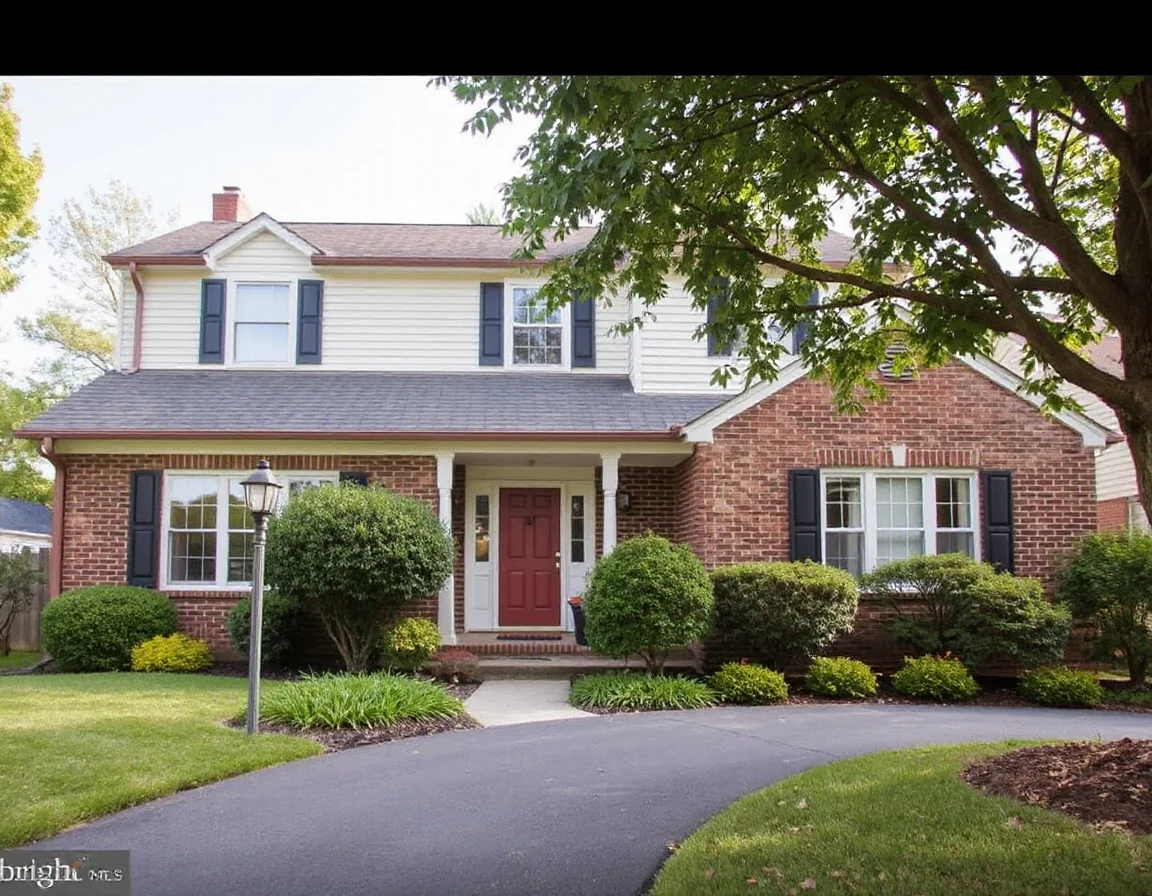
Gutters and downspouts deserve particular attention. Clear leaves and debris, make sure joints are secure, and confirm that downspouts direct water away from the foundation. Look for soil erosion, standing water, peeling paint near rooflines, or dark streaking on siding. These clues do not always indicate a major problem, but they are good reasons to investigate before the next storm.
The roof should also be part of every exterior checklist. From the ground, scan for missing or curled shingles, damaged flashing, sagging areas, or branches rubbing against the roofline. If anything appears uncertain, a qualified roofing professional can provide a closer assessment. Keeping tree limbs properly trimmed can reduce debris buildup and limit friction during windy weather without changing the natural character of the property.
Windows, exterior doors, and penetrations for utilities are other places where weather can enter. Caulk can shrink and crack over time, weatherstripping can flatten, and paint can lose its protective seal. Refreshing these small details can improve the home’s appearance while helping preserve the materials behind them.
A clean gutter system and positive drainage around the foundation may not be the most dramatic updates, but they are among the clearest signs that routine maintenance has been taken seriously.
Refresh the Surfaces Buyers Notice First
Curb appeal is not about making a property look like every other home on the block. It is about presenting the exterior as clean, cared for, and ready to be appreciated. A driveway with visible edging, a swept entry, working exterior lights, and tidy planting beds create an immediate sense of order before anyone reaches the front door.
Paint and stain are especially important because they work as both finish and protection. Peeling paint on trim, railings, shutters, porch columns, or siding can signal deferred maintenance even when the underlying materials are sound. Before repainting, address the cause of any peeling—such as moisture, failed caulk, or unprimed repairs—so the updated finish has a better chance of lasting.
Walkways, driveways, decks, and porches should be evaluated with the same practical eye. Power washing can brighten many surfaces, but it should be used carefully and at an appropriate setting for the material. Repair loose boards, uneven pavers, damaged steps, or handrails before concentrating on cosmetic details. These fixes support a polished presentation and help visitors move through the exterior spaces with confidence.
For a property preparing to enter the market, it is often more effective to complete a handful of visible repairs thoroughly than to begin several ambitious projects that remain unfinished. Buyers can understand an older exterior finish; it is harder for them to assess a half-painted porch, an incomplete landscaping plan, or construction materials left in view.
Use Landscaping to Frame the Home, Not Hide It
Landscaping can give a Baldwin property a composed, welcoming look without requiring a total redesign. The goal is simple: make the entrance, architectural details, and outdoor areas easy to see and enjoy. Start by removing dead branches, trimming overgrown shrubs away from siding, refreshing bed edges, and clearing leaves from steps, patios, and drainage paths.
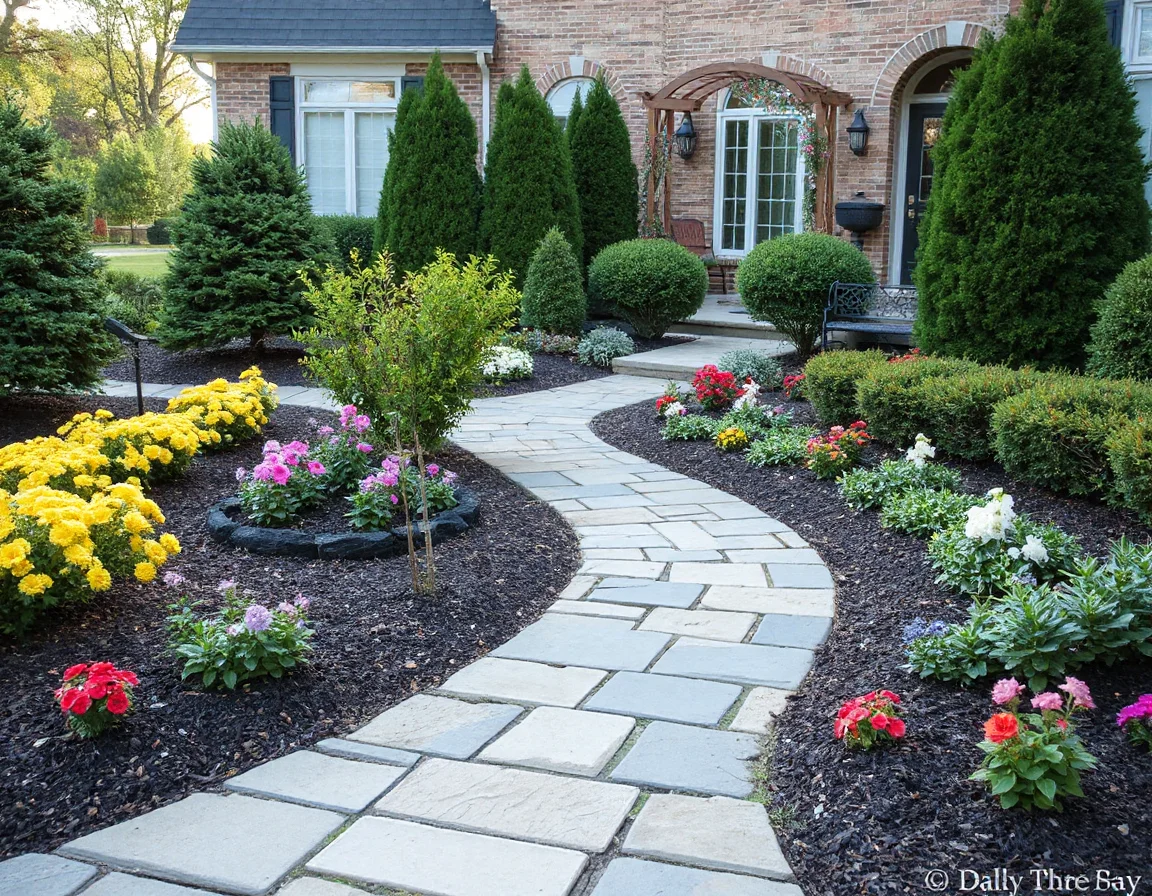
A useful landscape plan considers maintenance as much as appearance. Select plantings that suit the available light, leave enough room for mature growth, and keep vegetation from trapping moisture against the house. Mulch can define beds and conserve moisture, but it should be kept away from direct contact with siding or wood trim. That small gap allows the exterior to dry properly and makes it easier to inspect for wear.
Outdoor lighting is another high-impact, relatively contained project. Confirm that fixtures at entries, paths, and patios are working, clean lenses and fixtures, and replace mismatched bulbs with a consistent color temperature. Lighting should help people navigate the property and highlight architectural features without overpowering the home or neighboring properties.
Seasonal cleanup matters, too. Spring is a useful time to assess winter wear, while late summer and fall often provide an opportunity to prepare for leaf drop and colder weather. Keeping a simple record of painting, roof work, landscaping upgrades, and contractor service can be helpful for future maintenance planning and can add useful context during a sale.
Make Smart Decisions Before Listing
Not every exterior project produces the same return, and the best choice depends on the home’s current condition, price range, competition, and timeline. An outdated but functional patio may be less important than failing caulk around windows. A fresh front door color may have more visual impact than an extensive landscape installation. The strongest preparation plan is usually one that resolves obvious condition concerns first, then invests in details that improve photographs, showings, and buyer confidence.
Before spending on major upgrades, take a candid walk around the property as though you were seeing it for the first time. Notice what is visible from the street, what draws attention at the entry, and what questions might arise from a buyer, inspector, or appraiser. Photographing the exterior can be surprisingly useful because it reveals clutter, worn surfaces, and imbalances that are easy to overlook in daily life.
A well-prepared exterior does not need to be elaborate. Clean lines, completed repairs, healthy plantings, and a clear path to the front door can make the entire property feel more cohesive.
For sellers, maintenance decisions should be connected to a pricing and marketing strategy rather than made in isolation. Laura Hinkel’s approach to evaluating current condition and market positioning can help identify which projects are worth completing before a listing and which items are better documented, priced around, or addressed through negotiation.
Learn about seller representation
Protect Value Through Consistent Care
The most effective exterior maintenance plan is not a once-in-a-decade rush before selling. It is a steady rhythm of inspection, cleaning, repair, and thoughtful improvement. By prioritizing drainage, roof and trim condition, durable finishes, accessible outdoor surfaces, and manageable landscaping, Baldwin homeowners can preserve the details that support both everyday enjoyment and long-term property value.
Whether a move is months away or simply a future possibility, completing maintenance in smaller, intentional stages can make decisions less stressful. The result is an exterior that looks cared for from the curb, functions well through the seasons, and gives the next chapter of homeownership a stronger starting point.