
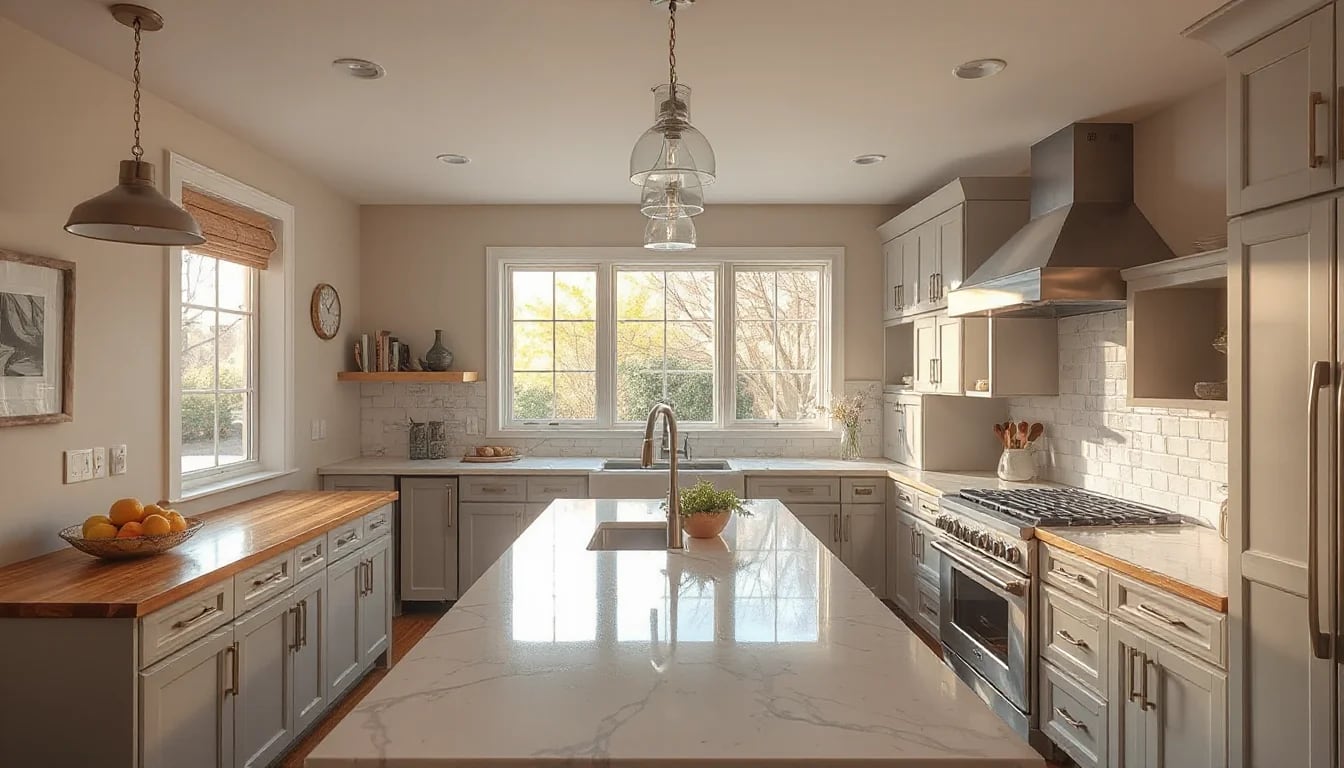
Smart kitchen updates can make a White Marsh home feel more current, more functional, and easier for buyers to picture in daily use. The goal is not always a full remodel; often, targeted improvements like cabinet finishes, lighting, countertops, and hardware deliver the strongest return for the effort. If you are preparing to sell, the most effective upgrades usually balance clean presentation, durability, and broad visual appeal.
Focus on updates that improve function first
When buyers walk into a kitchen, they tend to notice layout, storage, light, and condition before they notice luxury-level finishes. That is why the best pre-sale improvements often begin with the basics. A kitchen that feels bright, clean, and easy to use can create a stronger impression than a room packed with expensive features that do not fit the rest of the home. In White Marsh, where buyers may compare newer construction, established neighborhoods, and townhomes with different levels of finish, functionality matters.
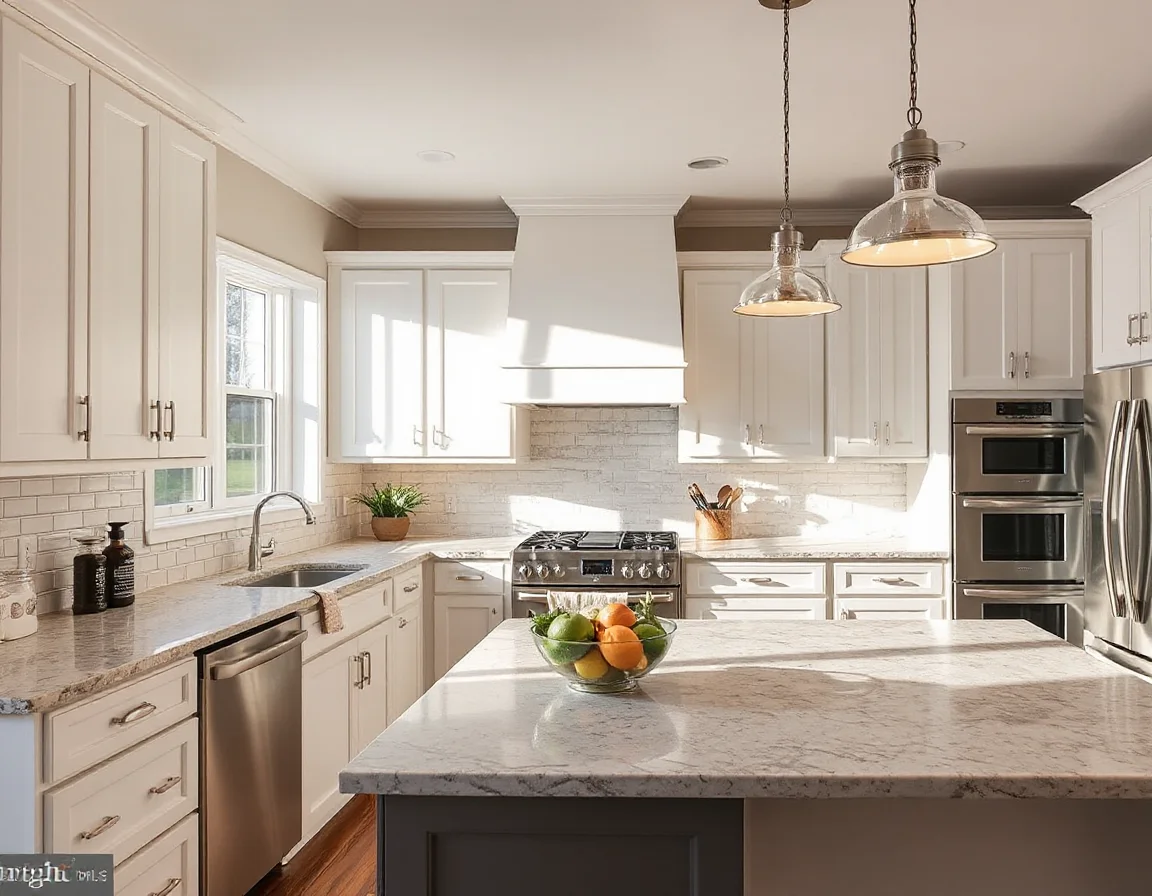
That does not mean every seller needs to replace everything. In many homes, repainting cabinets, updating worn hardware, replacing an aging faucet, and improving the lighting plan can change the entire feel of the space. If drawers stick, doors sag, or laminate edges are peeling, those are the kinds of details that can quietly pull attention away from the home’s strengths. Before spending on design trends, handle the issues that signal deferred maintenance.
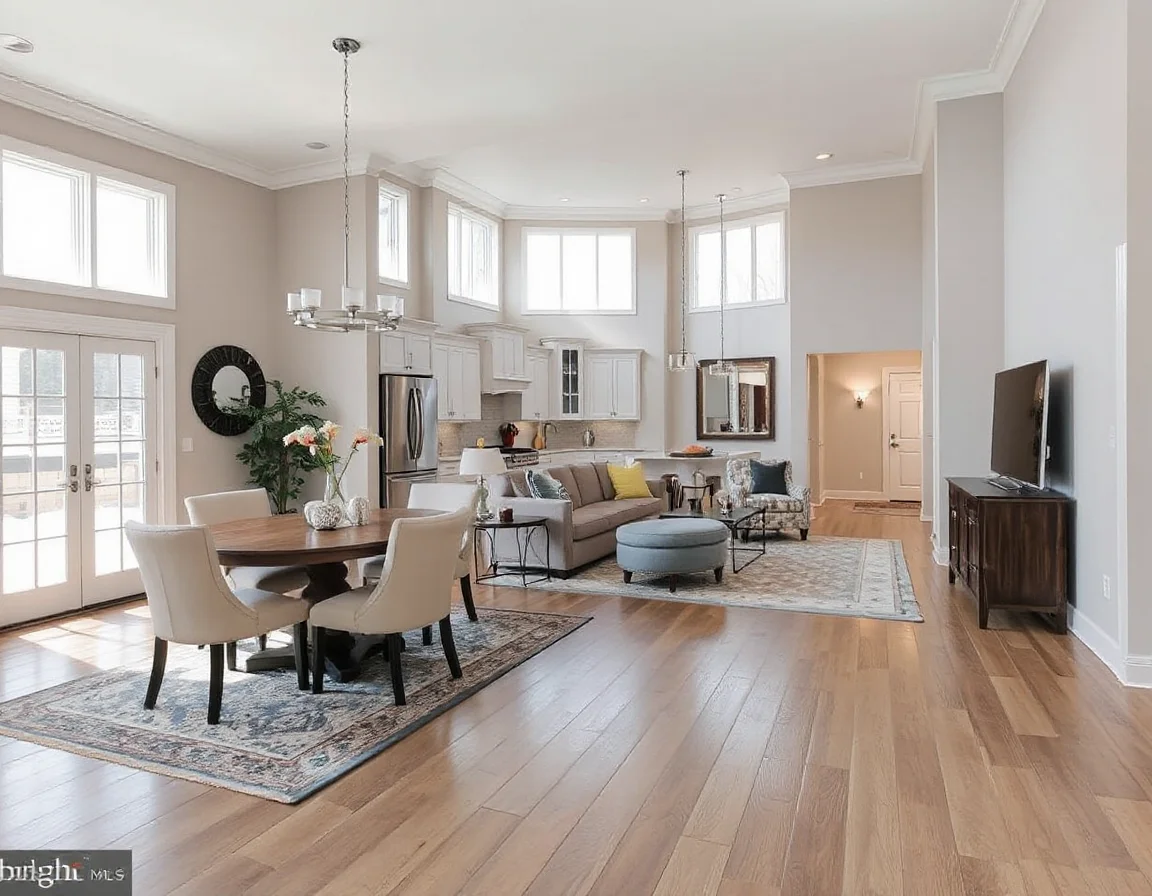
Flooring also plays a major role in the kitchen’s first impression. If the current floor is badly scratched, stained, or visually dated, replacing it with a durable, neutral surface can help the room feel cohesive. Buyers often react well to kitchens that feel move-in ready, and a floor that ties together adjacent living areas can make the whole main level feel larger and more intentional.
If your kitchen layout already works well, cosmetic improvements usually outperform a costly reconfiguration when you are selling on a timeline. Clean lines, good light, and a fresh finish often do more for showings than a major construction project.
Cabinets, counters, and color choices carry the room
Cabinetry takes up a huge amount of visual space, so it is often the first place to evaluate. If cabinets are structurally sound, painting or refinishing them may be enough to modernize the room. White, soft greige, warm taupe, and muted wood tones remain dependable choices because they photograph well and pair easily with a range of finishes. Highly personal color combinations can be beautiful, but neutral palettes tend to help more buyers focus on the room itself rather than on the seller’s style.
Countertops are another decision point. If the existing material is chipped, heavily patterned, or visibly worn, replacement may be worthwhile. Quartz is a popular option because it reads as current, durable, and low-maintenance. In some homes, however, a full counter replacement is not necessary if the surface is in strong condition and the rest of the kitchen is updated around it. The right answer depends on price point, competition, and how the kitchen compares with nearby active listings.
Backsplashes and hardware can deliver a noticeable visual lift without stretching the budget too far. Simple tile, understated pulls, and coordinated metal finishes can make a kitchen feel more polished in listing photos and in person. Consistency matters here. Mixed metals, overly ornate fixtures, or finishes that compete with one another can make the room feel busier than it is.
Paint color around the kitchen should support the space rather than steal focus. Soft neutrals help reflect light and create continuity with nearby rooms. This is especially useful in homes where the kitchen opens to a breakfast area, family room, or hall. A unified palette makes the house feel better connected during a showing.
See how seller representation can help you plan updates before listing
Lighting and staging can change buyer perception quickly
One of the most overlooked kitchen improvements is lighting. A room with a good layout can still feel flat if it is dim or unevenly lit. Replacing outdated fixtures, adding brighter but warm-toned bulbs, and making sure under-cabinet or pendant lighting works properly can improve both everyday usability and the look of the room in photos. Since many buyers first meet a property online, the kitchen needs to read clearly on screen before it ever gets a showing.
Staging matters just as much. Clear counters, minimal small appliances, and a few intentional accents can help the room feel spacious. The goal is not to make the kitchen look empty. It is to let buyers see prep space, storage, and circulation. A bowl of produce, neatly arranged stools, or a simple tray near the sink is enough to add warmth without clutter. Refrigerators covered in magnets, paperwork, or oversized calendars can pull attention away from the home itself.
Before professional photos, turn on every kitchen light, replace mismatched bulbs, and remove anything from the counters that you do not use daily. Those three steps can noticeably sharpen the room’s presentation.
Appliances are worth considering with care. If they are badly mismatched, visibly dated, or not functioning as expected, replacing them may help. But if they are clean, operational, and fit the overall market range for the home, a full appliance package may not be necessary. Buyers often respond better to a kitchen that feels consistent and well-maintained than to one expensive element that does not match the rest of the property.
Match the upgrade plan to your price point and competition
Not every White Marsh property needs the same kitchen strategy. A townhome competing with other move-in-ready listings may benefit most from cosmetic upgrades and crisp presentation. A larger single-family home in a higher price range may justify more substantial work if the kitchen is noticeably behind the competition. The key is to avoid over-improving without understanding what buyers are seeing elsewhere in the market.
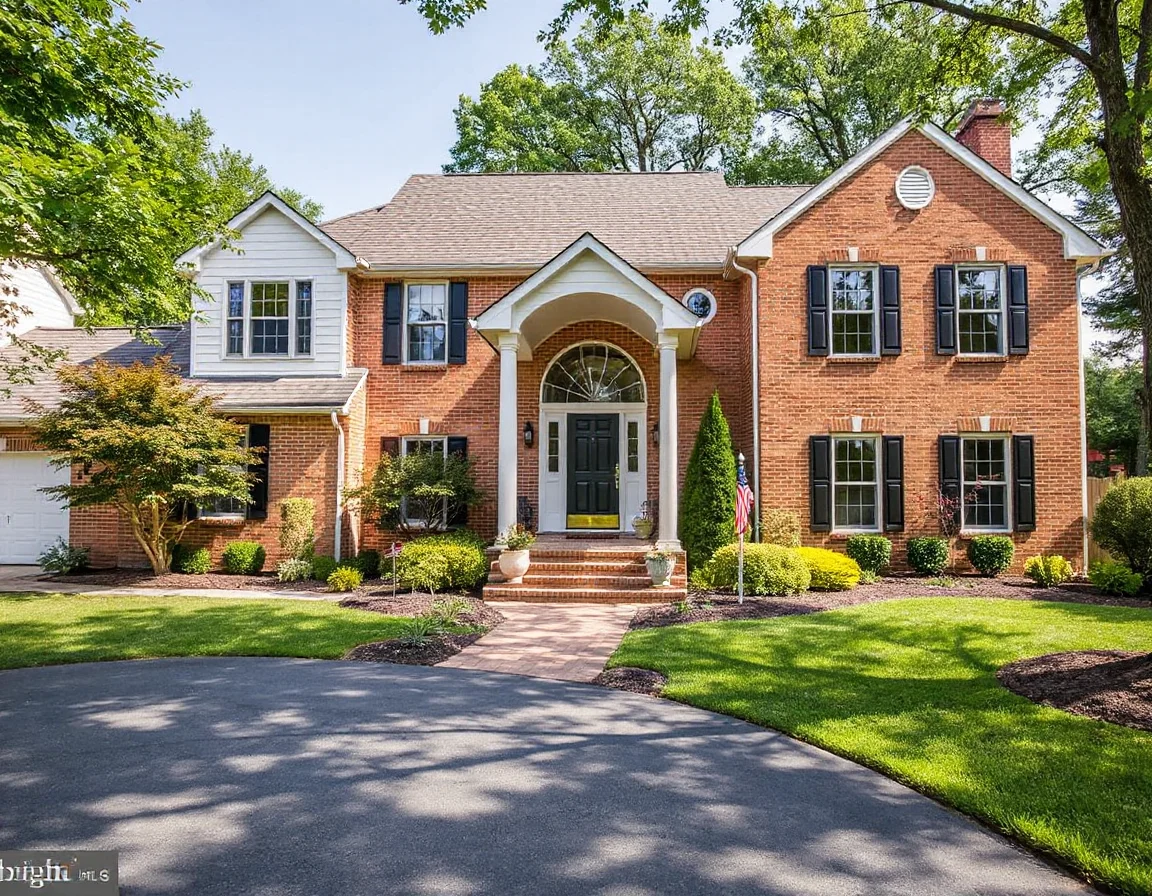
This is where pricing strategy and pre-listing analysis become especially important. A seller may be tempted to spend heavily on a dramatic remodel, but the better move is often a targeted plan based on likely buyer expectations, the home’s current condition, and the value of surrounding inventory. That approach helps protect your budget while still improving marketability.
It is also helpful to think about how the kitchen connects to the rest of the house. If the entry, flooring, paint, and living areas feel cohesive, the kitchen upgrade will carry more weight. If the kitchen looks fresh but everything around it feels neglected, the impact gets diluted. Buyers tend to respond to homes that feel consistently cared for from room to room.
Get a home valuation before deciding which upgrades make sense
In the end, the best kitchen updates are the ones that help your home show well, photograph well, and compete well. A polished, practical kitchen can support stronger buyer interest without requiring a complete renovation. If you are getting ready to sell in White Marsh, a focused upgrade plan can make the process more efficient and help your home enter the market with confidence.