
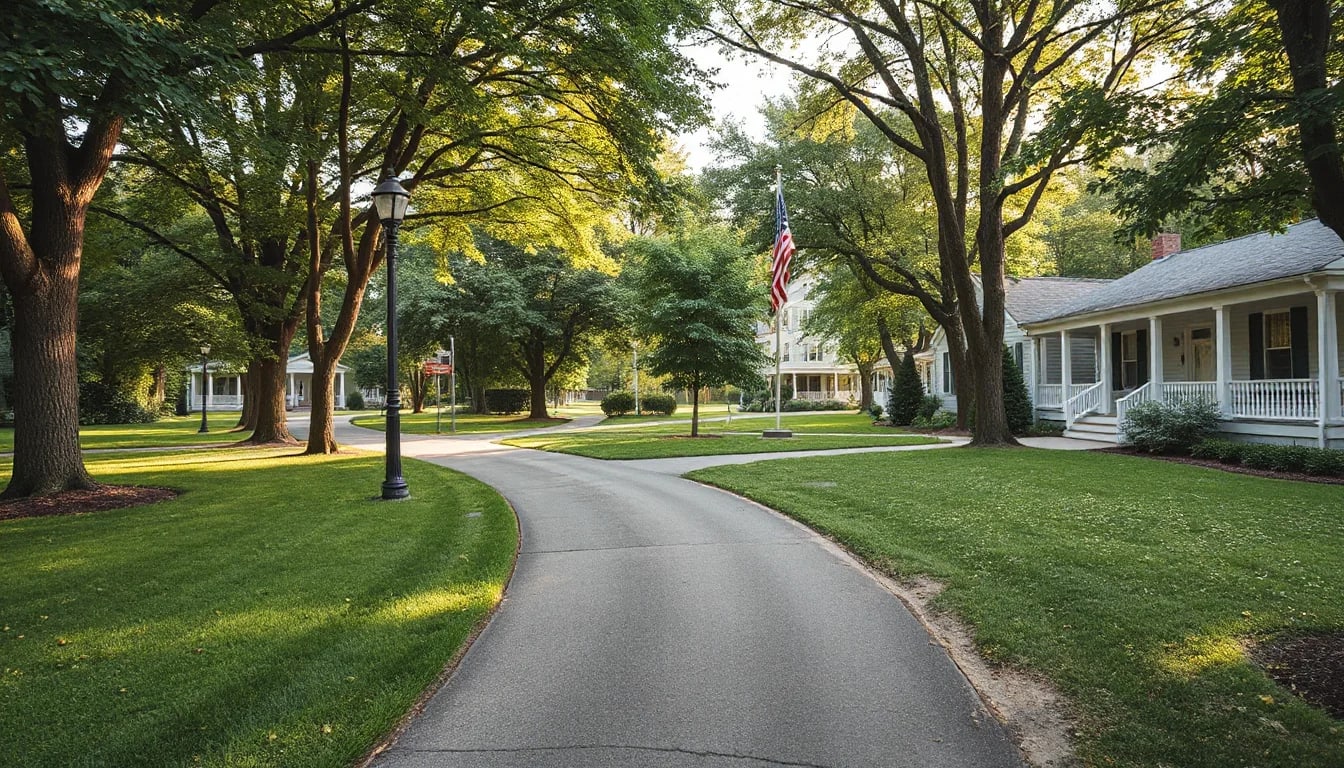
Street offers a practical blend of open countryside, nearby recreation, and everyday routes through northern Harford County. From trails and river views to seasonal farm stands and convenient connections to surrounding towns, it is a place where a weekend errand can easily become an afternoon outdoors.
A Local Rhythm Shaped by Open Space
Street, Maryland, sits in a rural corner of Harford County where wooded roads, fields, and small local destinations set the tone for the day. The appeal is not about rushing from one attraction to another. It is about having room for a morning walk, an easy drive to pick up seasonal produce, or an afternoon spent near the Susquehanna River. For people considering a move, these everyday details can be just as useful as square footage, lot size, or a home’s finish level.
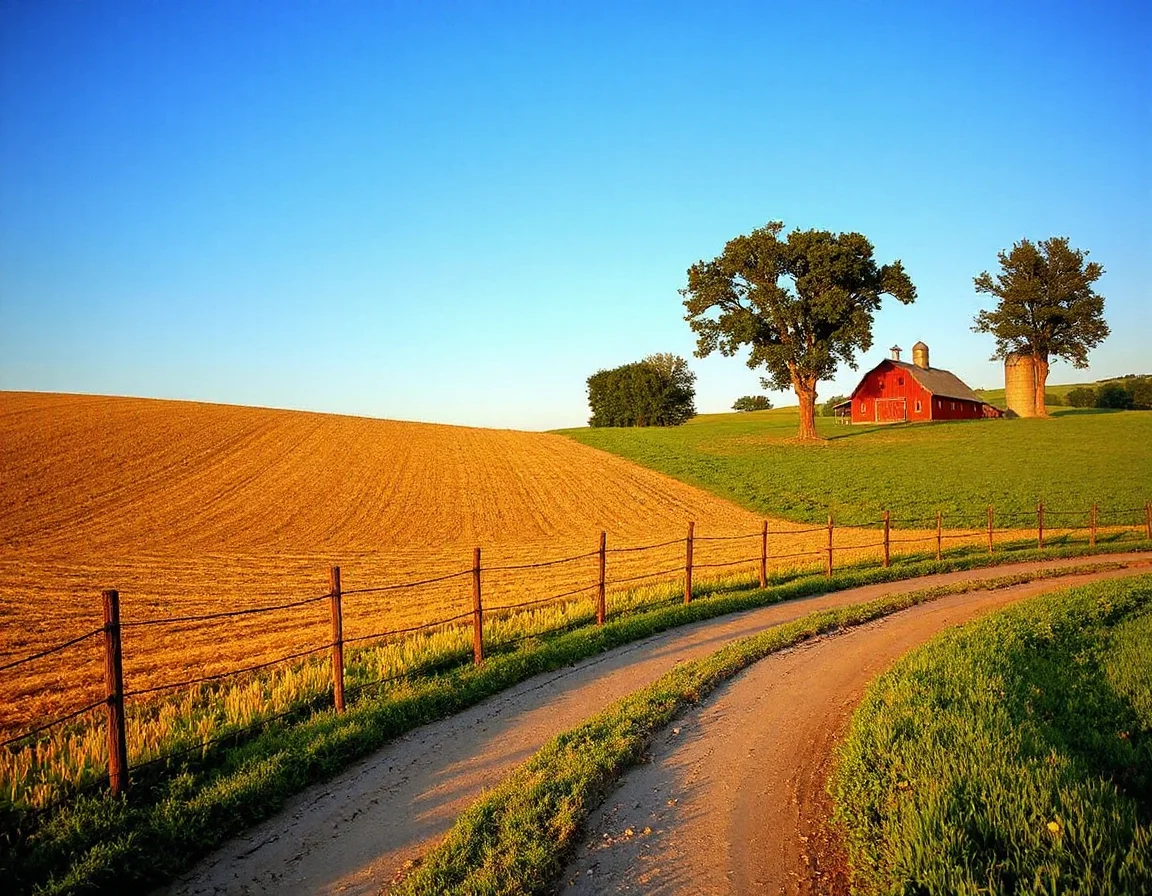
The landscape around Street encourages a slower look at the surrounding area. Country roads lead past working farmland, wooded parcels, and homes with a range of architectural styles and acreage. Some properties emphasize privacy and outdoor space; others offer a more compact footprint with straightforward access to the routes that connect Street to Bel Air, White Hall, and other Harford County destinations. Touring at different times of day can help buyers understand traffic patterns, sunlight, road conditions, and the feel of each individual setting.
Local parks and natural areas add another layer to the area’s appeal. Susquehanna State Park is within reach for hiking, fishing, picnicking, and time along the river, while the surrounding countryside offers plenty of scenic drives and trail-oriented recreation. These amenities are public resources, but their proximity can also influence how a home is used: a mudroom may become a practical landing spot after a trail walk, a porch may become a favorite place to watch changing seasons, and a larger garage may matter for bikes, garden tools, or outdoor equipment.
When comparing homes in and around Street, look beyond the map pin: road access, drainage, well and septic details, and the usable portion of a larger lot can shape both daily maintenance and long-term value.
Seasonal farm stands and agricultural destinations are part of the local routine as well. Fresh produce, flowers, pumpkins, and other harvest-season offerings provide an easy reason to explore nearby roads throughout the year. These stops are also a reminder that the area changes visibly with the seasons. Spring brings new growth and active landscaping, summer highlights fields and tree cover, autumn brings color and harvest activity, and winter can make sightlines and road exposure easier to evaluate during a home search.
Parks, Trails, and River Country Nearby
For outdoor time close to home, the Street area benefits from its connection to the natural features of northeastern Maryland. The Susquehanna River corridor offers historic scenery, water views, and recreational opportunities that can turn an ordinary free afternoon into something memorable. Trails in the region vary in surface and difficulty, so it is worth checking current park information before planning a longer outing or bringing equipment.

Susquehanna State Park is known for its mix of natural and historic settings, including trails, river access, and preserved sites connected to the region’s past. The park’s broad setting makes it useful for many kinds of outings, whether the goal is a short walk, a scenic pause, or a longer day outside. Nearby river access points and fishing locations add still more options for people who enjoy being near the water without needing to travel far from northern Harford County.
Outdoor amenities can be a useful lens for evaluating a property, especially in a market where homes may differ widely in lot layout and condition. A house with a level lawn may support gardening or gatherings, while a wooded parcel may offer shade, privacy, and a more natural setting. Neither option is automatically better; the key is matching the property’s maintenance needs and features to the way you plan to use it. An experienced local review can help distinguish attractive possibilities from costly surprises.
A home’s acreage is only one part of the picture. Ask about easements, access, utility locations, septic systems, and maintenance responsibilities before assuming every portion of a parcel is equally usable.
Street’s location also makes it possible to pair rural surroundings with practical access to services in nearby communities. Bel Air offers a wider range of dining, professional services, events, and retail destinations, while White Hall and Forest Hill provide additional local routes and everyday conveniences. This regional connection is valuable for buyers who want to understand the full rhythm of a location rather than judging a home solely by its immediate block.
What to Notice When Touring Homes in Street
Real estate in Street can include everything from established homes on generous lots to newer construction and properties with distinctive rural features. Because inventory can vary, a strong search starts with priorities that are specific enough to guide decisions but flexible enough to capture good opportunities. Consider the number of bedrooms, workspace needs, storage, outdoor maintenance, commute routes, and the condition of major systems before narrowing the search too quickly.
For sellers, the same location details that attract attention deserve clear presentation. A well-maintained driveway, visible outdoor living area, organized storage space, and thoughtful landscaping can help prospective buyers understand how a property functions. If a home has a well, septic system, outbuildings, or a larger parcel, having relevant records available can make the listing process more transparent. Pricing also benefits from an analysis that considers condition, comparable sales, acreage, improvements, and the property’s specific location rather than relying on a broad county average.
Buyers should build time into the process for inspections and questions. Country properties can involve considerations that are less visible during a first showing, including drainage, tree maintenance, well flow, septic capacity, internet options, boundary markers, and the condition of detached structures. These are manageable issues when identified early, and they are exactly why local market knowledge and careful negotiation matter.
The best way to explore Street is to treat it as a collection of everyday experiences: a drive past fields, a park visit, a stop for local produce, and a close look at the homes that fit your goals. With the right preparation, the area’s mix of open space and regional access can become an informed part of your home search or selling strategy.