
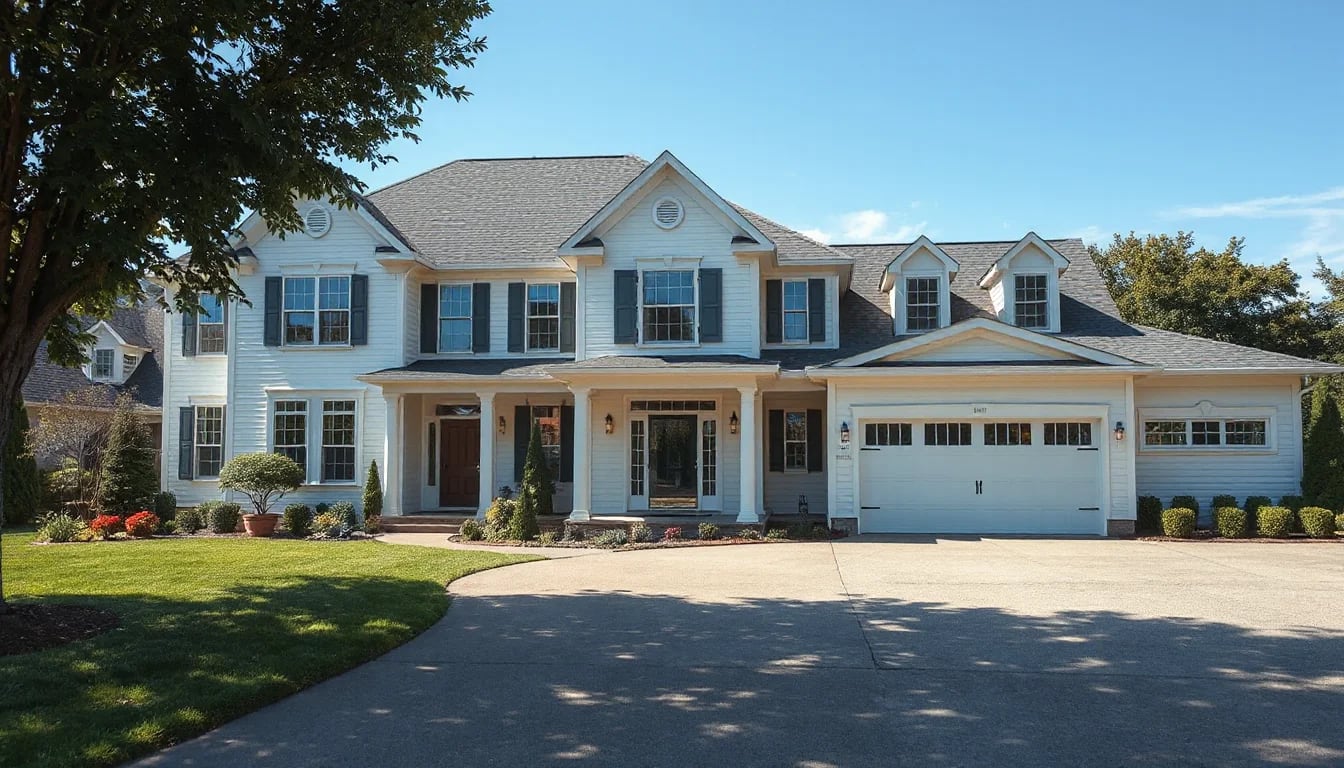
Long-term resale value is rarely about a single flashy upgrade. In Baldwin, Maryland, homes that pair sound maintenance with flexible spaces, practical outdoor features, and a clear presentation often give future buyers more reasons to look closely. The goal is not to chase every trend; it is to make thoughtful choices that support the home’s condition, function, and market appeal over time.
Start With the Features Buyers Can See—and the Systems They Cannot
A strong resale strategy begins with the basics. Buyers often notice curb appeal, kitchen finishes, and natural light first, but many purchasing decisions are shaped by the parts of a property that are less visible: roof condition, drainage, heating and cooling equipment, electrical capacity, windows, insulation, and well-maintained exterior materials. In a Baldwin home, where properties can range from established residences on generous lots to newer construction, keeping major systems in dependable condition can help reduce uncertainty during inspections and negotiations.
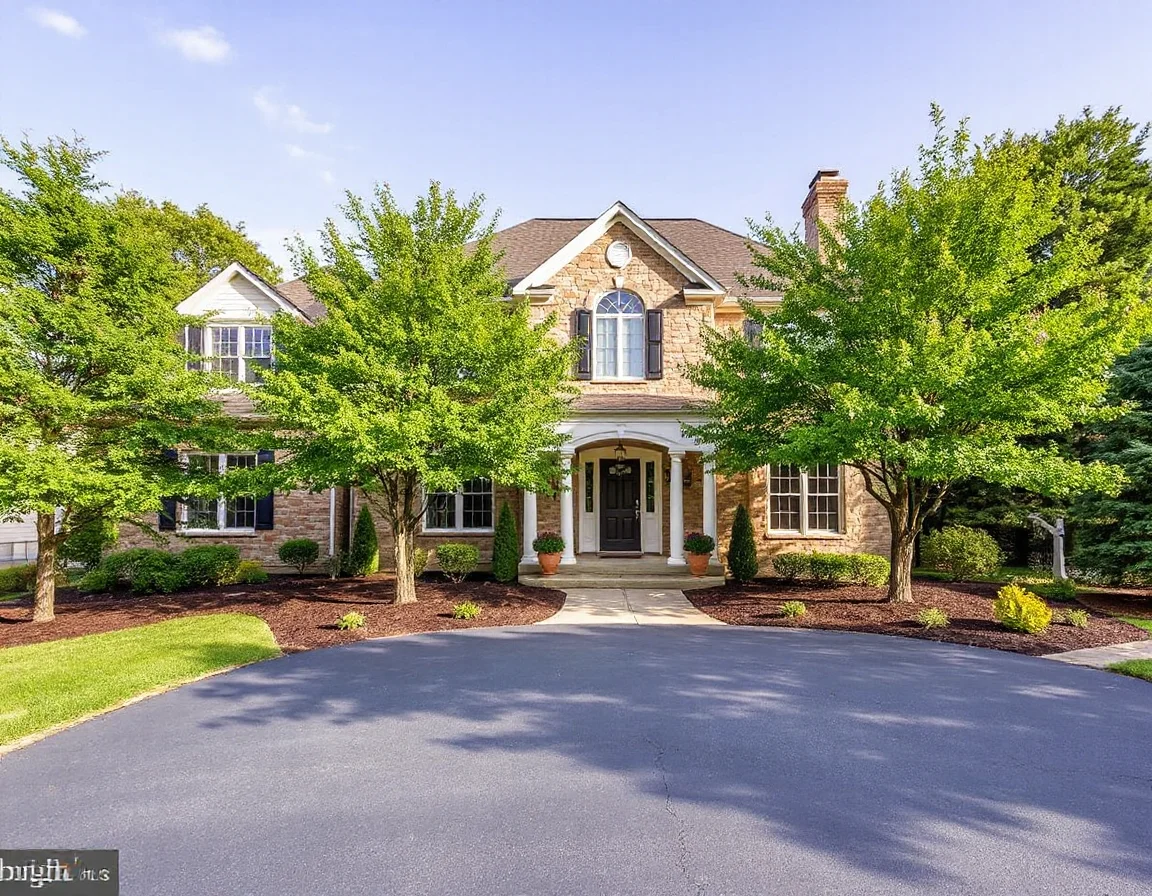
Maintenance creates a foundation for every later improvement. A fresh coat of paint is more effective when trim, gutters, walkways, and landscaping are already cared for. Likewise, an updated kitchen has greater impact when the home feels dry, comfortable, and consistently maintained. Keep service records for significant work, including HVAC tune-ups, roof repairs, septic or well-related service when applicable, and appliance replacements. Documentation does not guarantee a particular sale result, but it can give buyers useful context about the care invested in the property.
Exterior drainage deserves particular attention. Clear gutters, properly directed downspouts, grading that moves water away from the foundation, and repaired hardscape can all support the home’s everyday condition. Before starting a major cosmetic project, it is often wise to address deferred maintenance first. Buyers may personalize paint colors or light fixtures, but unresolved repairs can influence how they evaluate the entire home.
A practical pre-listing review can reveal which repairs are truly visible to buyers and which records may help explain the home’s ongoing maintenance history.
Landscaping should feel manageable and intentional rather than overly elaborate. Defined planting beds, trimmed shrubs, repaired fencing, usable paths, and an uncluttered entry can make a property easier to understand at first glance. For homes with larger Baldwin lots, maintaining clear sightlines to outdoor areas and key property features can help visitors appreciate the setting without guessing how the space is used.
Choose Flexible Spaces Over Highly Specific Ones
Floor-plan flexibility remains a durable consideration because people use homes in many different ways. A room with good light, an appropriate door, and enough space for a desk, reading area, hobby setup, or guest use may be more broadly appealing than a room designed around one narrow purpose. When planning an update, consider whether the result makes the home easier to use and easier to describe.
Finished lower levels, bonus rooms, lofts, and outbuildings can add utility when they are completed with permits where required, appropriate moisture control, safe access, and finishes that match the home’s overall quality. If a space cannot be counted as finished living area under local standards, present it accurately. Clear, honest marketing and sensible staging help buyers see potential without creating confusion about what is included in the official square footage.
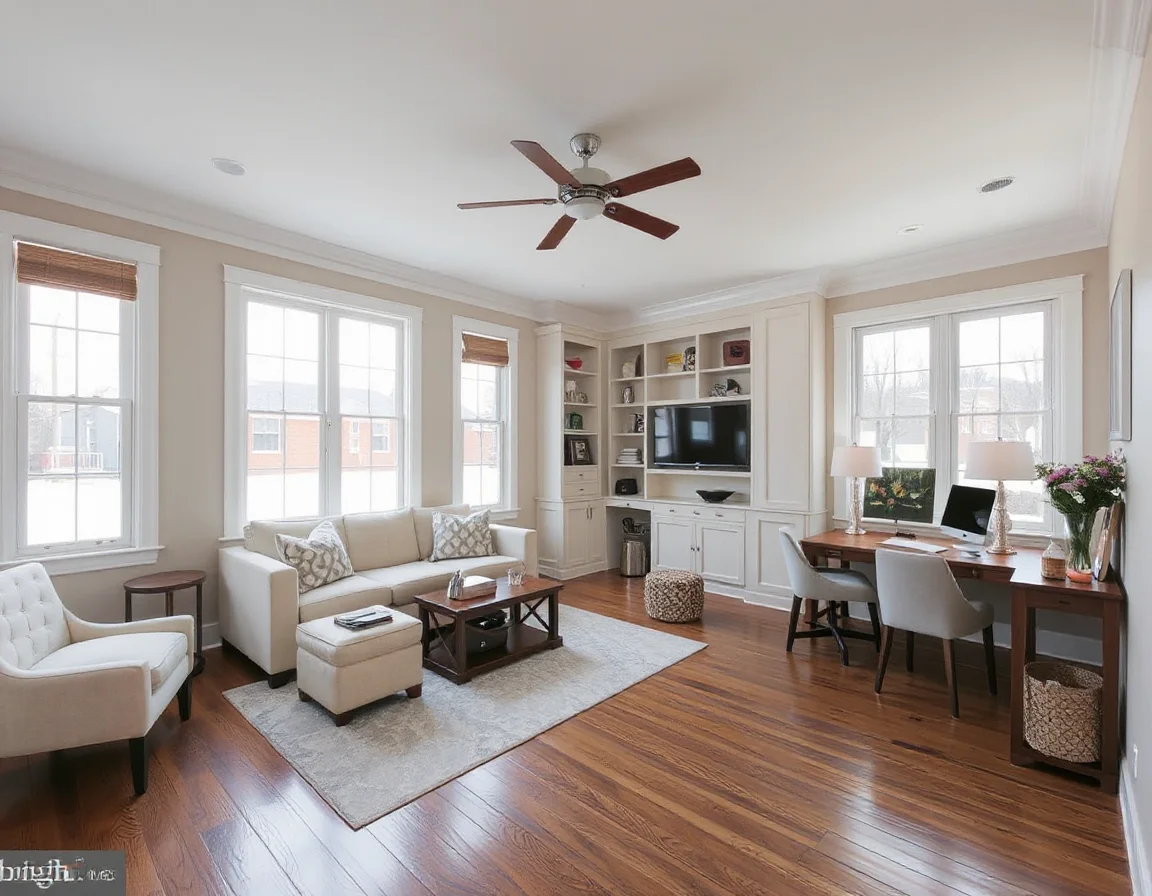
Neutral, durable finishes can support that versatility. This does not mean every room needs to be plain. Instead, focus on materials that are easy to maintain and design choices that allow architectural details to stand out. Refinished hardwood floors, quality tile, solid cabinetry hardware, layered lighting, and thoughtfully selected paint colors typically have a longer visual life than highly personalized finishes. Where a project is substantial, consistency matters: an updated room should feel connected to the rest of the home rather than isolated from it.
Kitchens and baths still receive close attention, but the most valuable updates are often practical ones. Adequate workspace, functional storage, effective ventilation, durable counters, good lighting, and fixtures in working order can matter more than a short-lived trend. A full renovation is not always necessary. Regrouting tile, replacing worn caulk, updating a dated light fixture, repairing cabinet doors, and improving organization may make a room feel more cared for at a fraction of the cost.
Before committing to a renovation, compare the likely cost with the condition of nearby competing homes. The best scope is often the one that improves function and presentation without outpacing the local market.
For sellers considering major changes, a current pricing and condition analysis is especially useful. It can help distinguish projects that address an obvious buyer concern from projects that may be difficult to recover at resale. Timing also matters: a repair completed with enough lead time to be enjoyed, documented, and presented well can have more value than a rushed project just before a listing goes live.
Make Outdoor Areas Useful, Not Overbuilt
Outdoor space is a meaningful part of the Baldwin experience, and the most appealing improvements usually make that space easier to enjoy and maintain. A repaired deck or patio, well-lit entry, defined seating area, level lawn, and clean storage solution can communicate function without requiring a dramatic redesign. If the home includes acreage, wooded edges, gardens, or other natural features, keep paths and view corridors reasonably maintained so the property is easy to explore during a showing.
Consider the ongoing cost of any exterior enhancement. Pools, extensive water features, elaborate landscaping, and specialized structures may appeal to some buyers, but they also add maintenance, insurance, or operational considerations. When planning an improvement, think about whether it fits the lot, is well constructed, and can be explained with clear records. Permits, warranties, manuals, and contractor information can be valuable additions to a seller’s property file.
Storage is another quietly important feature. An orderly garage, shed, mudroom, basement, or utility room helps visitors understand where equipment and everyday items can go. This is particularly relevant for properties with outdoor tools, garden equipment, or recreational gear. Removing excess items before listing can make existing storage feel more functional without the expense of adding square footage.
Present the Home With Evidence and Perspective
Resale value is influenced by local inventory, interest rates, buyer demand, condition, and pricing strategy—factors that change over time. No renovation can control the market, but a carefully maintained and accurately presented home is generally better positioned to compete. When the time comes to sell, gather records early, complete small repairs, and evaluate the home through the eyes of someone seeing it for the first time.
Professional guidance can help prioritize the work. Laura Hinkel’s approach to pricing, condition analysis, and negotiation can be especially helpful when deciding whether to repair, refresh, renovate, or sell as-is. The right plan should reflect the home’s current condition, the likely competition, and the owner’s goals rather than a generic checklist.
A Baldwin property does not need every possible upgrade to make a strong impression. Sound systems, adaptable rooms, useful outdoor areas, and an honest, polished presentation can create a durable story for future buyers. By investing in maintenance first and improvements with purpose, homeowners can make decisions that support both daily enjoyment and a more confident resale process later.