

A private well and septic system can be valuable, long-lasting property features, but they reward preparation. Whether you are selling or purchasing in White Hall, understanding the location of the equipment, the condition of the system, and the scope of water testing can turn a potentially stressful contingency period into a well-documented next step.
Start With the Property’s Water and Wastewater Story
Many White Hall properties use private wells and onsite septic systems rather than public utilities. That setup gives a home a different maintenance profile: the water supply, treatment equipment, drainage field, and household plumbing all work together. For a seller, gathering records early helps demonstrate careful ownership. For a buyer, reviewing those records alongside inspections creates a clearer picture of the home’s current condition and future maintenance needs.

Begin by locating the major components. A seller should identify the wellhead, pressure tank, water treatment devices, septic tank access covers, pump controls if present, and approximate drainfield area. These details are useful during inspections, appraisals, repair discussions, and future service calls. If records are available, include septic pumping receipts, installation information, well permits, prior water results, treatment-system invoices, and warranties for pumps or filters.
The visible wellhead deserves special attention. It should be accessible, protected from damage, and not buried beneath landscaping or stored materials. A qualified well professional can help assess the well’s cap, casing, electrical components, yield, and equipment performance. A septic professional can locate and evaluate the tank and related components without guessing or disturbing areas that may be part of the drainfield.
Documentation does more than answer questions: it can help buyers compare routine upkeep with unexpected repairs and can keep the inspection timeline focused on verifiable details.
For buyers, the goal is not to expect a private system to look like a public-utility connection. The goal is to understand how it functions today. Ask which fixtures are served by the well, whether there is a water softener, neutralizer, filtration unit, ultraviolet treatment device, or reverse-osmosis system, and whether any component is leased. A clear answer about ownership and maintenance responsibilities prevents confusion after settlement.
What a Water Test Can Tell You
Water testing is one of the most practical steps in a private-well transaction. A laboratory report measures specific items at a specific point in time; it is not a lifetime guarantee of water quality. Still, results can identify conditions that may need treatment, further evaluation, or a follow-up sample before a buyer removes a contingency.
Testing requirements and lender expectations can vary, so purchasers should review the contract, loan program, and local guidance with their real estate and lending professionals. Depending on the property and transaction, a testing panel may include bacteria, nitrate and nitrite, lead, arsenic, pH, turbidity, iron, manganese, and other parameters. The appropriate panel is not always identical from one home to the next, especially when a property has an existing treatment system or a history of particular water conditions.
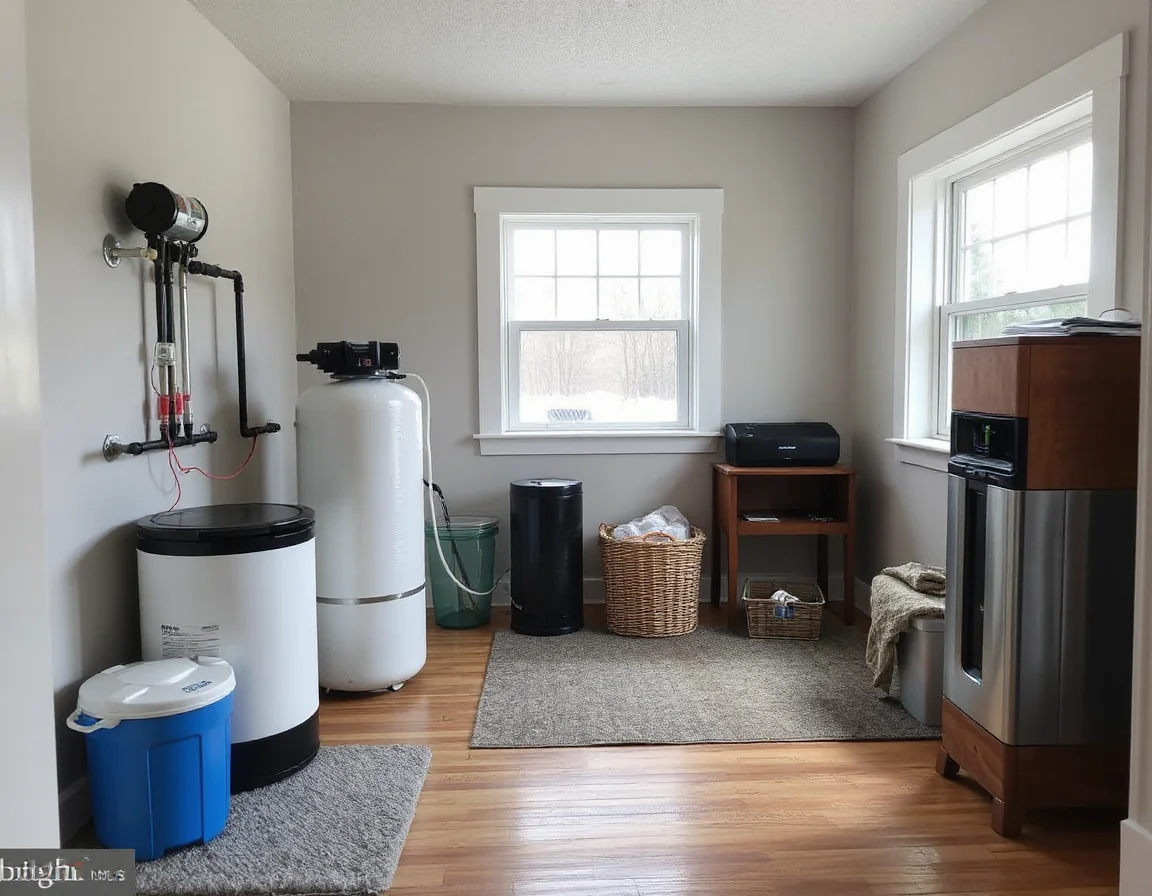
Sampling method matters. A sample should be collected according to laboratory instructions, using the correct container and timing. Testing after a major storm, recent plumbing work, a long vacancy, or treatment-system service may warrant context or a retest. If a report shows a concern, the next move is usually not to assume the entire well has failed. A qualified professional may recommend confirming the result, inspecting equipment, disinfecting the system where appropriate, or considering a targeted treatment solution.
Water treatment is common in many rural settings and is not automatically a negative. Softening, sediment filtration, pH adjustment, and iron reduction can be routine tools for managing water characteristics. What matters in a sale or purchase is whether the system is working as intended, how it is maintained, whether it has adequate capacity, and what records support its service history.
A clear water report paired with service records is more useful than a vague assurance that the water “has always been fine.” Ask for the dates, the laboratory, and the equipment maintenance history.
Buyers should also consider practical questions beyond the lab results. Does the pressure remain steady while several fixtures operate? Is there evidence of staining, odor, sediment, or unusual taste? How often are filters changed, salt added, or UV bulbs replaced? These observations do not replace professional testing, but they help shape informed questions during the due-diligence period.
Understanding Septic Inspections Without the Guesswork
An onsite septic system manages wastewater through a tank and a drainfield or other approved disposal component. Its performance depends on design, soil conditions, household use, maintenance history, and the condition of mechanical parts. Because much of the system is below ground, a specialized inspection is often the best way to move beyond surface-level assumptions.
A septic evaluation may involve locating and opening the tank, observing liquid levels, checking baffles and accessible components, reviewing pumping history, and assessing signs of backup or drainage issues. The precise scope should be confirmed in advance. Some systems include pumps, alarms, filters, distribution boxes, or advanced treatment equipment that require additional attention. A professional inspector can explain what was observed, what could not be observed, and whether further work is recommended.
Regular pumping is generally a maintenance item, not proof that a system is defective. In fact, a current pumping record can be helpful because it establishes a recent service date and may document the tank’s condition at that time. Conversely, a tank that has not been serviced for many years may need careful evaluation before a transaction proceeds. Sellers benefit from addressing accessible maintenance items early rather than waiting for an inspection deadline.
Drainfield areas should be treated thoughtfully. Avoid parking vehicles, constructing improvements, or directing roof runoff onto the area without professional guidance. A buyer should ask where the field is located and whether there is a reserve area noted in available records. Knowing the approximate boundaries is useful for future landscaping, outdoor projects, and routine property care.
Learn about buyer representation in Maryland
A Practical Plan for Sellers and Buyers
For sellers, the strongest approach is organized and proactive: locate records, schedule routine service if it is due, make equipment accessible, and disclose known repairs or treatment systems accurately. Avoid making broad promises about water quality or septic life expectancy. Instead, provide the facts, allow qualified professionals to perform their work, and be prepared to discuss reasonable findings with current documentation in hand.
For buyers, allow enough contract time for water testing, septic review, and any recommended follow-up. Read reports closely, including limitations and suggested next steps. If a repair, replacement, or treatment issue appears, request estimates from appropriate licensed or qualified professionals before deciding how to proceed. That sequence supports a more grounded negotiation than reacting to a single unfamiliar term in an inspection report.
White Hall’s mix of rural character and distinctive homes makes property-specific due diligence especially important. A well and septic system are not simply boxes to check before settlement; they are core parts of how a home operates every day. With complete records, qualified inspections, and a realistic maintenance plan, both sides can move toward closing with greater clarity and confidence.