
A thoughtfully updated bathroom can make everyday routines easier while helping a Joppa home show its best when it is time to sell. The strongest projects balance durable materials, practical storage, moisture control, and a style that feels clean without becoming overly specific. Start with the improvements that solve real problems, then use finishes to create a polished result.
Begin With the Bathroom’s Everyday Function
Bathroom upgrades often begin with a color palette or a tile sample, but the most successful plans start with how the room works. In Joppa, Maryland, many homes have bathrooms built for a different era of storage needs, lighting expectations, and daily routines. A renovation does not need to enlarge the footprint to feel transformative; a better vanity layout, improved shower configuration, brighter lighting, and well-placed storage can make the same room feel noticeably more useful.
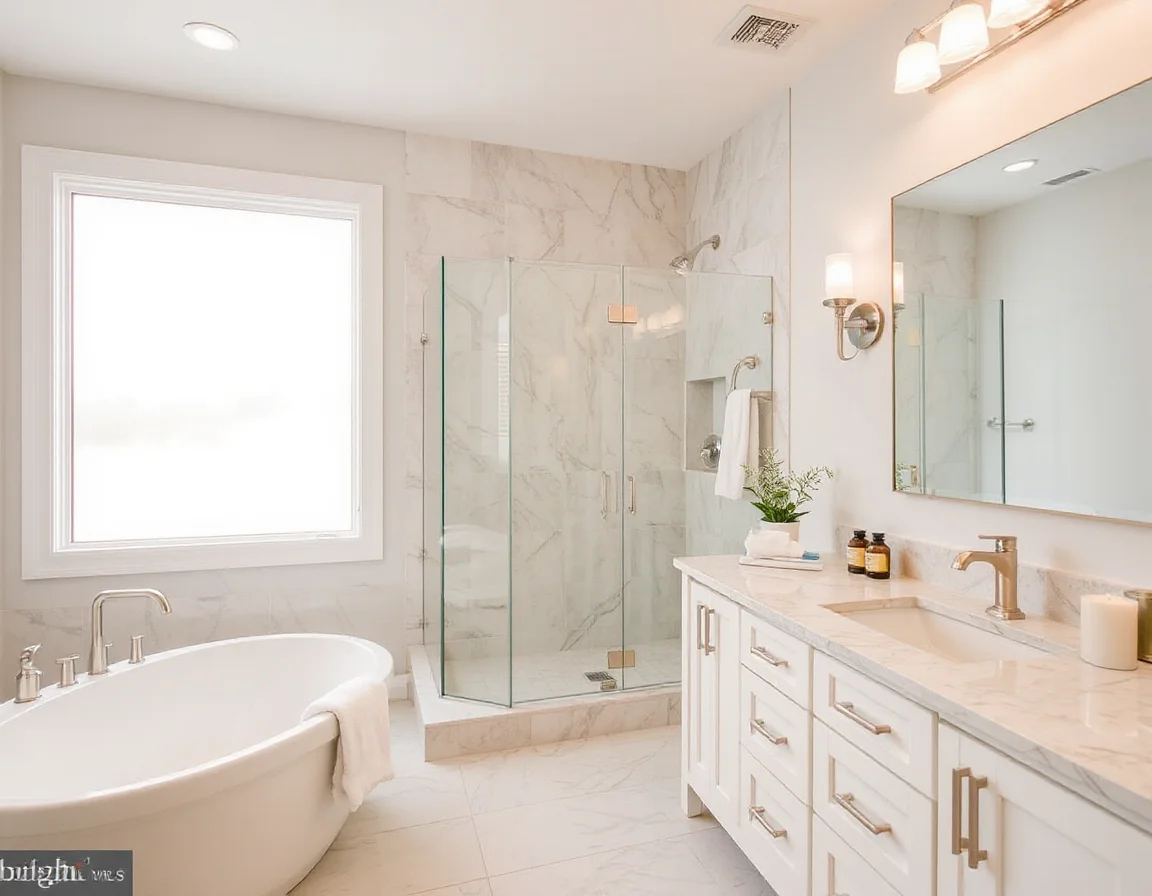
Think in zones before selecting finishes. The vanity zone needs countertop space, accessible outlets, and room for frequently used items. The bathing zone should be easy to clean, well lit, and properly ventilated. A linen cabinet, recessed niche, medicine cabinet, or drawer-based vanity can reduce clutter without adding visual bulk. These decisions are especially valuable in compact bathrooms, where every inch needs a clear purpose.
For a primary bathroom, a larger shower can be a meaningful comfort upgrade when the existing tub is rarely used. In another home, retaining a tub may make sense because it fits the layout and provides flexibility. There is no universal formula. The right choice depends on the number of bathrooms in the home, the condition of the existing fixtures, the available space, and the overall price range of comparable homes nearby.
A bathroom feels more current when the layout solves storage and lighting issues—not simply when every surface is replaced. Prioritize the items residents touch and use every day.
Before demolition begins, inspect the basics behind the walls. Slow drains, aging shutoff valves, evidence of past leaks, weak exhaust fans, damaged subflooring, and outdated electrical work can become costly surprises if left unaddressed. Resolving these items may not create the most dramatic before-and-after photograph, but it protects the renovation and gives future buyers greater confidence in the home’s condition.
Choose Materials That Handle Moisture Gracefully
A bathroom works hard. Steam, splashes, frequent cleaning, and daily temperature changes can quickly reveal weak materials or rushed installation. In Maryland’s humid seasons, ventilation and moisture management deserve just as much attention as the tile pattern. A quiet, properly sized exhaust fan vented to the exterior helps reduce lingering moisture, while quality caulking and correctly installed waterproofing protect the areas that are hardest to see.
Porcelain tile remains a practical choice for floors and shower walls because it is durable, water resistant, and available in a wide range of looks. Larger-format tile can create a calmer visual effect with fewer grout lines, while smaller mosaic tile is useful on shower floors where additional grout lines can provide traction. For vanity tops, quartz offers a low-maintenance surface that handles routine use well. Natural stone can be beautiful, but it typically requires more attentive sealing and care.
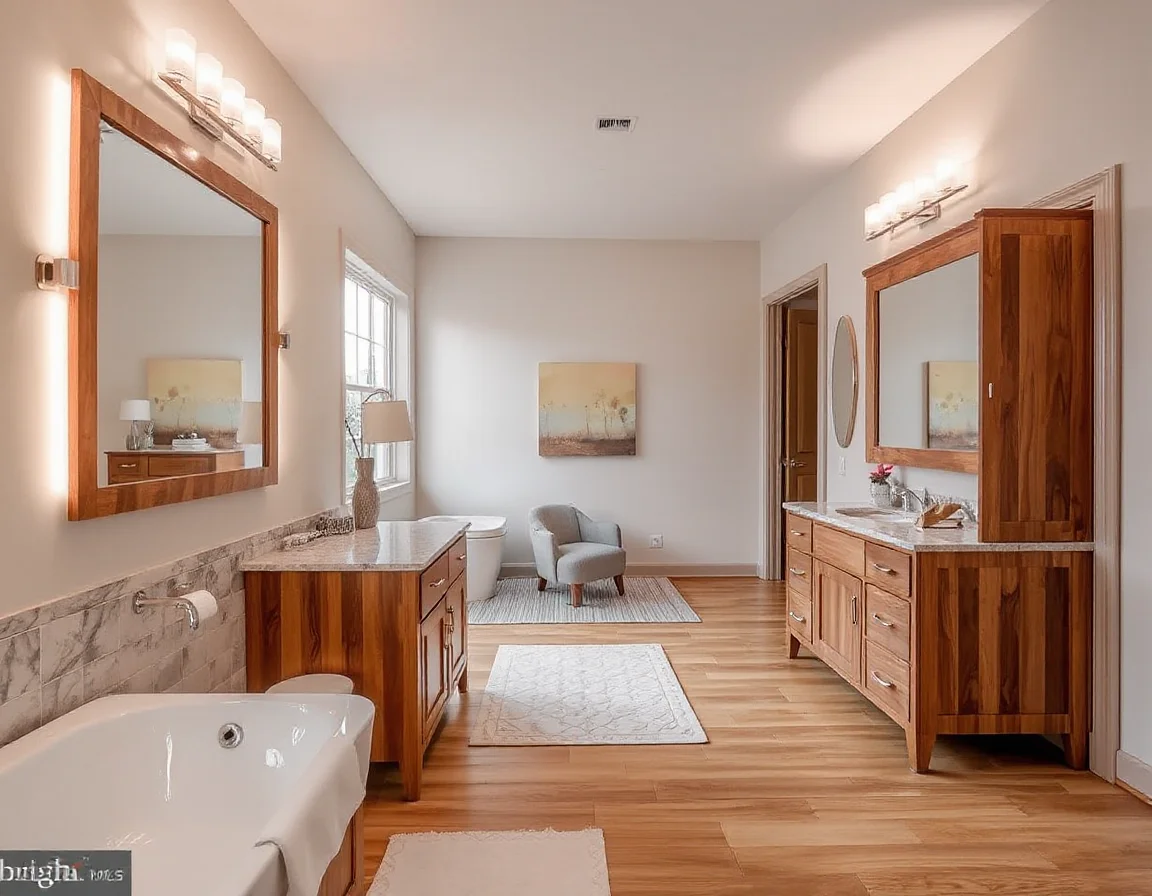
Neutral does not have to mean bland. Soft whites, warm grays, muted greens, natural wood tones, and subtle stone-inspired patterns tend to provide a flexible backdrop. Texture can bring interest without overwhelming the room: a matte tile, fluted vanity detail, simple framed mirror, or understated hardware can add personality while remaining easy to coordinate with the rest of the home.
Lighting is another upgrade with an outsized impact. One ceiling fixture alone often leaves shadows at the mirror. A combination of overhead light, vanity lighting at face level, and an optional shower light makes the room more comfortable and more functional. Dimmable fixtures can add flexibility, and selecting bulbs with a consistent color temperature helps finishes look cohesive instead of mismatched.
Waterproofing, fan performance, and lighting placement are not glamorous line items, but they are often the details that separate a cosmetic refresh from a durable renovation.
When considering accessibility-minded comfort features, focus on adaptable, design-forward choices rather than assumptions about any future occupant. Lever-style handles, a curbless shower where feasible, a hand-held shower fixture, wider clearances, and secure blocking behind walls for future hardware can support easier use while maintaining a streamlined appearance. Discuss structural and code considerations with qualified local professionals before finalizing the plan.
Spend Where Buyers Notice—and Where Ownership Benefits
A bathroom budget is easiest to manage when priorities are established early. If the room has sound plumbing, a refresh may center on a vanity, faucet, lighting, mirror, paint, and flooring. If there are water concerns or a dysfunctional layout, the budget should first cover corrective work before decorative upgrades. It is usually wiser to install a reliable shower valve and durable floor than to stretch the budget for a highly specialized finish that may need extra care.
For homeowners preparing to sell, the goal is not necessarily to create the most elaborate bathroom on the block. The aim is a clean, cohesive space that aligns with the home’s overall condition and pricing strategy. A dated bathroom with stained grout, worn caulk, poor lighting, or a leaking fixture can distract from otherwise strong features. Conversely, an update that feels proportionate to the home can improve listing photos, showings, and buyer perception.
Keep invoices, product information, contractor documentation, and any permits associated with substantial work. These records can be useful during ownership and can help answer questions later. Before making major selections, it is also helpful to compare the scope with other improvements the home may need. Fresh paint, roof maintenance, flooring repair, or exterior upkeep may carry equal weight in an overall sale preparation plan.
A Smart Sequence for a Joppa Bathroom Project
Good planning reduces stress and helps prevent expensive change orders. Begin by defining the goals: improved storage, a more efficient shower, a repair-focused refresh, or a sale-ready update. Measure carefully, photograph existing conditions, and list what works and what does not. Then establish a realistic budget that includes labor, materials, permits when required, and a contingency for hidden conditions.
- Confirm the scope: Decide whether the project is cosmetic, partial, or a full renovation.
- Address infrastructure first: Resolve leaks, ventilation, electrical, and plumbing concerns before finish work.
- Select durable core materials: Choose flooring, shower surfaces, countertops, and fixtures suited to frequent use.
- Plan storage and lighting: Include drawers, niches, cabinets, and layered lighting in the initial design.
- Coordinate the finish palette: Review tile, paint, metal finishes, and vanity colors together in the room’s actual light.
- Prepare for the final details: New caulk, aligned hardware, clean grout, and a clutter-free counter make a substantial difference.
A bathroom upgrade should make the home easier to enjoy now while supporting its long-term presentation and maintenance. Whether the plan is a straightforward refresh or a complete redesign, thoughtful choices will have more staying power than a rush to follow every passing trend. By combining sound construction, useful storage, comfortable lighting, and durable finishes, Joppa homeowners can create a room that feels finished in every sense of the word.