

A strong Fallston listing launch begins well before the sign goes in the yard. By preparing the condition, pricing evidence, presentation, and showing plan in the right order, sellers can introduce their home with clarity instead of rushing through last-minute decisions. This checklist helps turn a large project into manageable steps.
Start With a Clear Selling Strategy
Putting a home on the market is not one task; it is a sequence of decisions that shape the first impression buyers receive. In Fallston, homes can vary widely in lot size, architecture, updates, and setting, so an effective launch should be tailored to the property rather than built around a generic checklist. The goal is to identify what makes the home competitive today, address distractions before photography, and enter the market with a pricing and marketing plan grounded in current conditions.
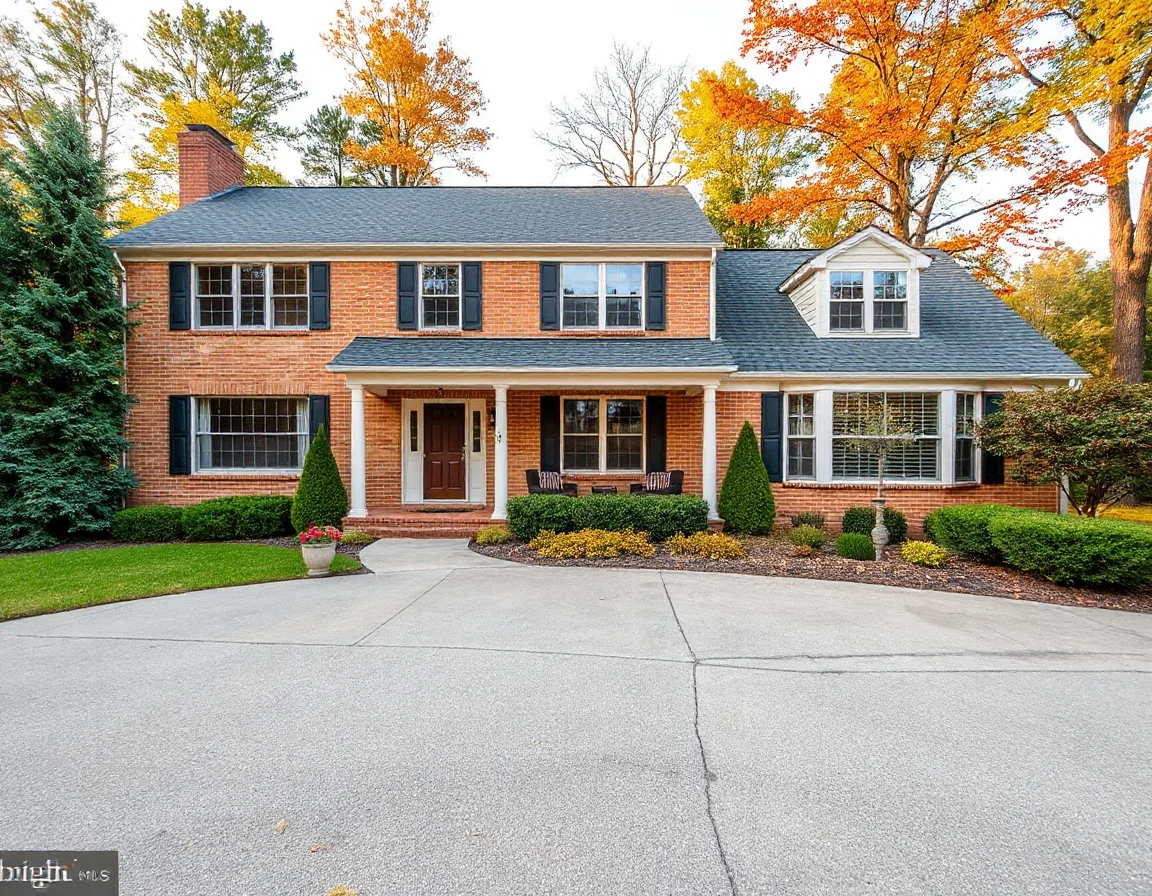
Begin with a room-by-room and exterior review. Walk through the property as a buyer might, starting at the driveway, entry, main living spaces, kitchen, bedrooms, baths, storage areas, and outdoor spaces. Make two lists: repairs that should be completed before launch and improvements that are optional. Loose railings, sticking doors, visible water stains, damaged caulk, burned-out bulbs, and unfinished paint touch-ups usually belong on the repair list because they can pull attention away from the home’s strengths.
Then gather the details that help tell the property’s story accurately. This may include dates of major improvements, permits when applicable, utility information, appliance documentation, well or septic records when relevant, survey materials, HOA documents if applicable, and warranties that can transfer. A buyer may not need every document at the first showing, but organized information supports efficient answers once interest builds.
The most productive prep work is often the work that removes questions: a repaired trim board, a documented roof update, a clear utility record, or a freshly serviced system can keep attention on the home itself.
It is also useful to decide early how showings will work. Consider pet arrangements, preferred notice periods, access instructions, and a simple routine for resetting the home before appointments. A launch is easier when these logistics are settled before buyer interest starts arriving.
Price From Evidence, Not From a Wish List
A thoughtful price is one of the most important parts of a strong listing launch. It should reflect recent comparable sales, active competition, pending listings, property condition, location-specific features, and the broader pace of the local market. Online estimates can be a useful starting point, but they do not always account for interior updates, lot characteristics, maintenance needs, or meaningful differences between nearby homes.
A comparative market analysis should distinguish between properties that have sold and those that are still available. Sold homes show where buyers have recently made decisions. Active listings show what buyers are comparing today. Withdrawn or expired listings can also be informative, especially when they reveal an earlier price point or presentation approach that did not gain traction.
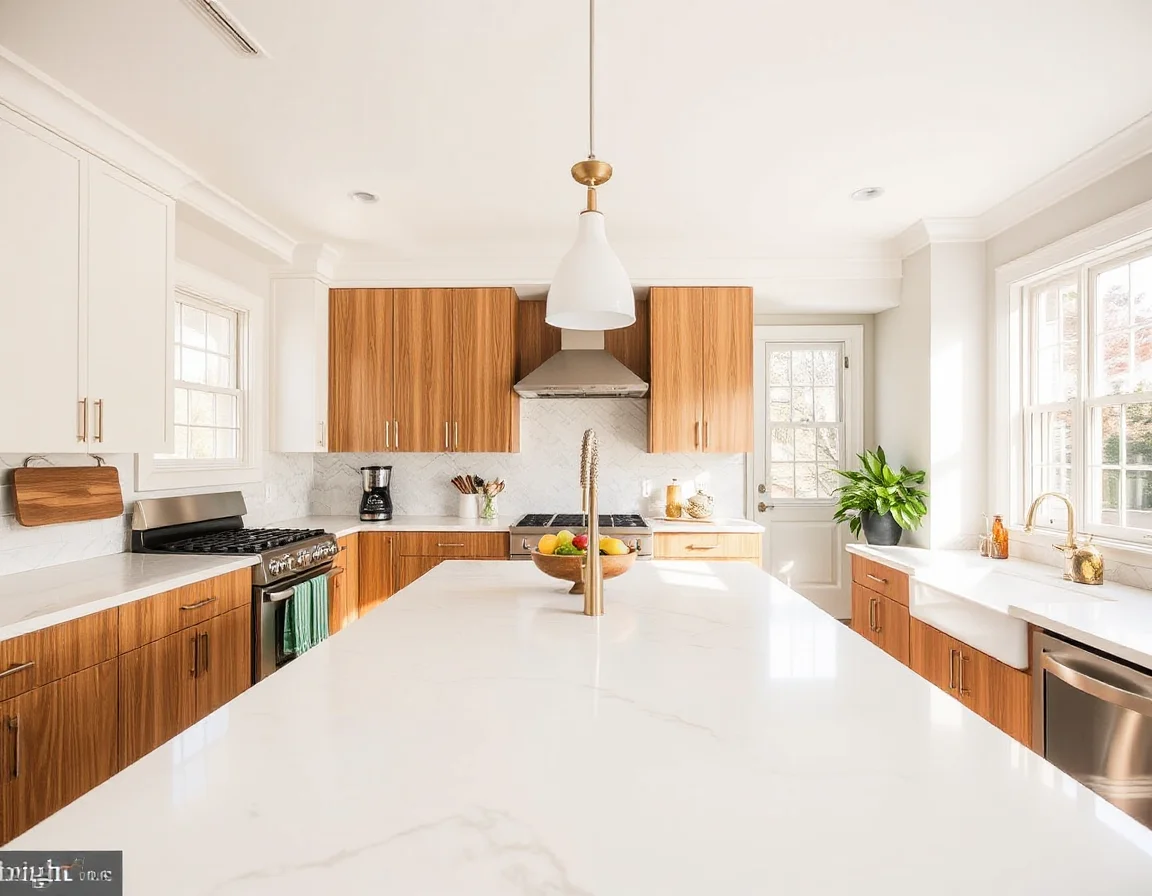
When reviewing comparisons, focus on the elements that materially affect value: finished square footage, bedroom and bathroom count, lot size, age, renovation quality, garage or parking arrangement, outdoor improvements, and the condition of major systems. Features should be weighed in context rather than assigned a one-size-fits-all adjustment. A polished kitchen may strengthen buyer appeal, while a home needing broad cosmetic updates may require a different pricing conversation even when the floor plan is similar.
A seller should also plan for the first few weeks on market. This is typically the period when a listing is newest to buyers and agents watching the area. If showing feedback points to a consistent issue—such as condition, layout expectations, or price—responding with a measured adjustment can be more effective than waiting for interest to return on its own.
A listing price is not simply a number attached to the home; it is the opening position in a buyer’s comparison process. Clear evidence makes that position easier to defend and adjust when needed.
Prepare the Home for Photos and Showings
Professional photography works best when the home has been prepared for the camera, not merely cleaned the morning of the appointment. The objective is not to make the property feel impersonal. It is to make rooms easier to understand at a glance and allow architectural details, light, storage, and flow to come forward.
Start by reducing visual volume. Clear kitchen counters except for a few intentional items, remove magnets and papers from appliances, edit bathroom surfaces, and store excess furniture that makes pathways feel tight. Closets, cabinets, laundry areas, mudrooms, and garages deserve attention as well. Buyers often look in these spaces, and an orderly presentation can help communicate how the home functions day to day.
Next, make a lighting plan. Replace mismatched or burned-out bulbs, open window coverings where privacy allows, and confirm that exterior lights are working. Fresh neutral paint can help where walls are heavily marked or color choices make a room feel smaller, but sellers do not need to renovate every room to create a polished presentation. Prioritize visible condition, cleanliness, and consistency.
- Complete agreed-upon repairs and save invoices or service records.
- Deep clean floors, windows, fixtures, appliances, and outdoor entry areas.
- Declutter counters, shelves, closets, and storage spaces.
- Refresh worn caulk, grout, paint, hardware, and light bulbs where needed.
- Prepare exterior areas by trimming overgrowth, clearing walkways, and tidying patios or decks.
- Schedule photography only after the home is fully ready for the camera.
Outdoor presentation matters because it establishes the first visual cue for an in-person visit. A clean entry, maintained landscaping, visible house numbers, and a welcoming front door can create a more cohesive arrival experience. If the property includes a deck, patio, garden, garage, or other exterior feature, make sure it is ready to be photographed and viewed without unnecessary clutter.
Build a Launch Plan That Keeps Momentum Moving
Once pricing, preparation, and photography are complete, the final step is coordinating the release. Review the listing details carefully before publication: room counts, measurements, improvement dates, included items, exclusions, property features, and any required disclosures. Accuracy is part of good marketing. It gives prospective buyers useful information and reduces avoidable follow-up during a busy showing period.
Decide how offers will be handled, including preferred communication methods and how quickly a response can be provided. Sellers should understand that an offer includes more than price. Financing type, contingencies, timing, deposit, requested concessions, occupancy needs, and inspection terms can all affect the overall strength of an offer. A clear strategy makes it easier to compare terms without losing sight of the seller’s priorities.
After launch, review feedback with perspective. One comment may be subjective; repeated observations may identify a practical issue to address. Keep the home ready when possible, maintain the showing routine, and revisit the plan if activity does not match the level expected for the price range and condition. Strong listing management is active, organized, and responsive without being reactive.
For Fallston sellers, the best launch is one that makes the home easy to evaluate: well prepared, accurately described, competitively positioned, and supported by a clear negotiation plan. Taking these steps before the listing goes live can help create a more confident experience from the first photograph through closing.