

Perry Hall buyers have more than one number to watch: the asking price, the recent comparable sales, the days a home has been available, and the terms competing buyers may bring to the table. Understanding how those signals work together can help you recognize a well-priced opportunity, negotiate thoughtfully, and avoid paying for features the market may not support.
Reading the Perry Hall Market Beyond the List Price
A listing price is a starting point, not a complete market story. In Perry Hall, Maryland, homes can vary widely by condition, lot setting, updates, layout, and proximity to major commuting routes and local amenities. Two houses with a similar bedroom count may have very different values when one has a renovated kitchen, a finished lower level, a newer roof, or a more flexible floor plan. Buyers who focus only on the headline number can miss the details that explain whether a home is positioned competitively.
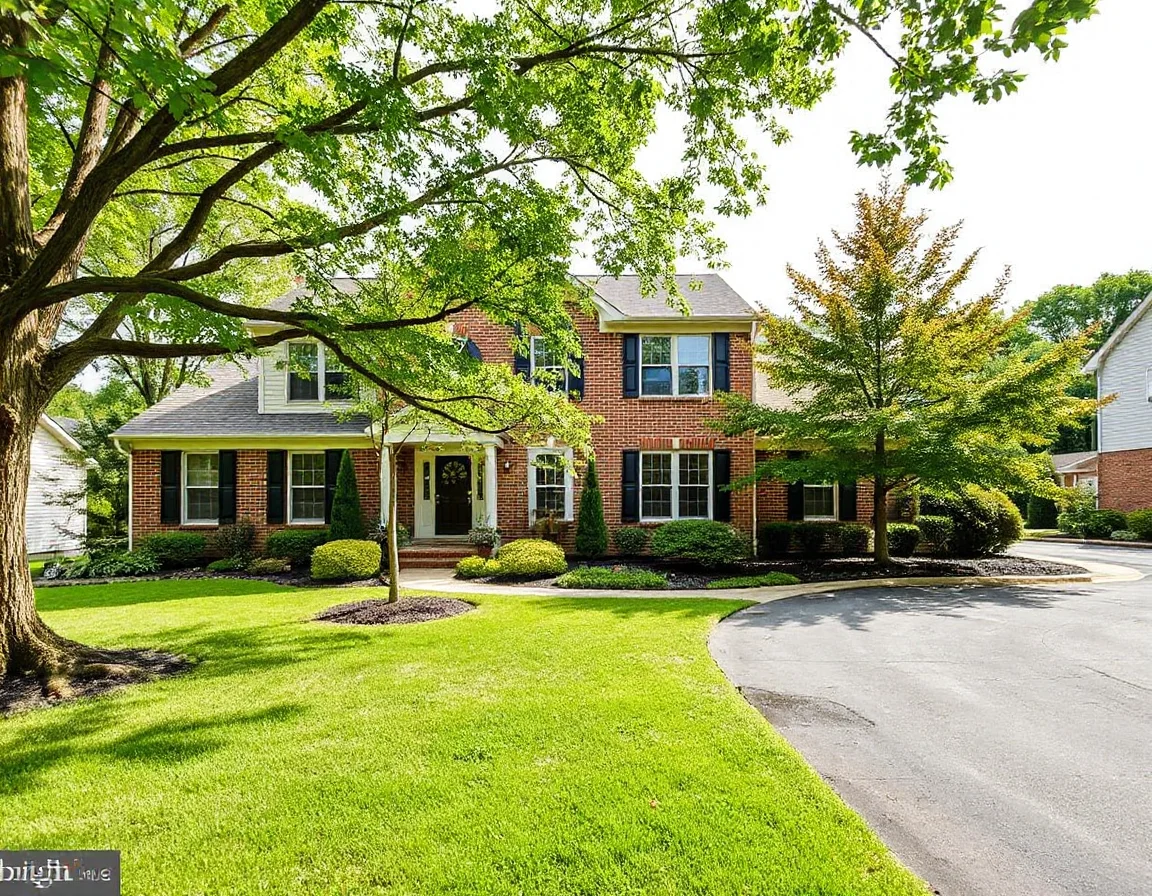
The most useful comparison is not always the closest house on a map. Recent sales should be evaluated for similar size, age, style, condition, and location characteristics. A carefully updated property may justify a stronger price than a comparable home needing significant deferred maintenance. On the other hand, a listing that has been available longer than similar homes may invite a closer look at price, condition, financing flexibility, or seller timing.
That is where a detailed comparative market analysis becomes valuable. Rather than assuming every listed home will trade at its asking price, look at the range of recent closed sales, active competition, and properties that left the market without selling. These categories tell different parts of the story. Closed sales show what buyers have recently agreed to pay; active listings show current alternatives; withdrawn or expired listings can reveal where expectations and market response did not align.
A home that appears expensive at first glance may be accurately priced if recent comparable sales support its updates and condition. A home that seems like a bargain may need a closer review of repairs, disclosures, taxes, or competition.
For buyers, this approach replaces guesswork with context. It also makes a conversation about an offer more productive. Instead of choosing a price based on emotion alone, you can identify which features matter, what comparable properties suggest, and where the listing’s position leaves room for negotiation. That preparation is especially useful when an appealing property attracts fast interest shortly after it comes online.
What New Listings Can Tell You
New listings often generate the most attention because they offer a fresh option in a market where available homes can change quickly. In Perry Hall, it can help to review a new property promptly, but speed should not mean skipping due diligence. A quick first look at the photos, property description, tax information, disclosures, and nearby comparable sales can help determine whether a showing should be a priority.
Timing matters because sellers sometimes receive early activity before a listing has accumulated many days on market. Yet a newly listed home is not automatically a bidding-war situation. The condition of the home, the quality of its presentation, the price range, seasonal patterns, and the number of comparable choices all influence the response. A listing priced close to recent market evidence may receive immediate attention, while a home priced above competing options may take longer to find its market.
When viewing a new listing, consider the property in layers. Start with the items that are difficult or expensive to change: location, lot, layout, exterior condition, and major systems. Then separate those factors from cosmetic details such as paint colors, fixtures, or furnishings. This keeps a showing focused on the home’s practical value and future maintenance rather than on staging choices alone.
An effective early review also includes questions about seller preferences. Is the seller looking for a particular settlement date? Is there a requested rent-back period? Are there known repairs, HOA considerations, or personal property details that could affect the offer? Price matters, but a well-structured offer can sometimes stand out through clear financing, realistic contingencies, and terms that fit the transaction.
Where Buyer Leverage May Appear
Buyer leverage is not a single switch that turns on or off. It can show up in small but meaningful ways, particularly when a property has been available longer than similar homes, when there are several comparable choices, or when a seller’s preferred timeline is clear. Leverage may support a lower price, but it can also support requests for repairs, a closing-cost contribution where appropriate, additional inspection time, or terms designed to make the purchase process more manageable.

A listing with more days on market deserves curiosity rather than assumptions. Sometimes the reason is simple: the home launched at a price above recent comparable sales, and the seller is now adjusting expectations. In other cases, the property may have a layout or condition issue that buyers consistently notice during showings. Reviewing the listing history and asking informed questions can help distinguish between an opportunity and a concern that should be reflected in the offer strategy.
Inspection negotiations are another area where preparation matters. An inspection is not a second attempt to renegotiate every detail of an older home. It is an opportunity to understand condition, prioritize health and safety concerns, identify major systems issues, and decide how to move forward based on the contract and available information. Keeping requests focused and well documented can make conversations with a seller more constructive.
Financing also affects leverage. A buyer who is fully pre-approved, understands the expected cash needed to close, and can move efficiently through lending milestones is often in a better position to write a credible offer. That does not mean waiving important protections without careful consideration. It means pairing a competitive offer with terms that are practical, clearly communicated, and aligned with the property’s market position.
The strongest negotiation is rarely just a lower number. It is an offer built around evidence, clear deadlines, realistic contingencies, and the seller’s stated priorities.
Creating an Offer Strategy That Fits the Home
Every Perry Hall purchase deserves its own strategy. A turnkey property that is priced in line with recent sales may call for decisive action and clean terms. A home that needs updating may justify a more measured offer supported by contractor estimates, the expected cost of future improvements, and comparable properties in similar condition. The goal is not to “win” a negotiation at any cost; it is to reach terms that make sense for the home, the buyer’s budget, and the available market evidence.
Before writing, it helps to identify your non-negotiables. Consider the maximum comfortable monthly payment, the cash reserve you want to retain after closing, the repair work you are prepared to take on, and the timeline that works for your move. These boundaries make it easier to evaluate counteroffers without being pulled off course by the excitement of a particular listing.
It is also wise to plan for the full ownership picture. Property taxes, insurance, utilities, HOA or condominium fees where applicable, and ongoing maintenance should all be considered alongside the purchase price. A home with a slightly lower price but significant near-term repair needs may not be the better value. Conversely, a property with recent improvements and documented maintenance may offer more predictability even if the initial price is higher.
Learn about buyer representation in Maryland
Stay Ready, Stay Grounded
Perry Hall home prices and new listings can move in different directions depending on the property, the season, and the level of available inventory. The most helpful habit is to keep watching the details: new competition, price adjustments, recent closings, days on market, and the condition of the homes you tour. With a current view of the market and a negotiation plan tailored to the specific property, buyers can act confidently when the right opportunity appears while still protecting the priorities that matter most.