A roof and gutter system may not be the flashiest home upgrade, but it can have an outsized effect on a property’s condition, presentation, and buyer confidence. In Jarrettsville, keeping water moving away from the house can help protect exterior materials, landscaping, and the maintenance story a seller presents at showing time.
Start With the Water Story
When buyers arrive at a home, they often notice the roofline before they step through the front door. Clean gutters, straight downspouts, tidy fascia boards, and a roof that appears well maintained create a practical first impression: the home has been cared for. That impression matters because exterior maintenance is closely connected to the questions buyers ask later about drainage, attic conditions, foundations, and future repair costs.
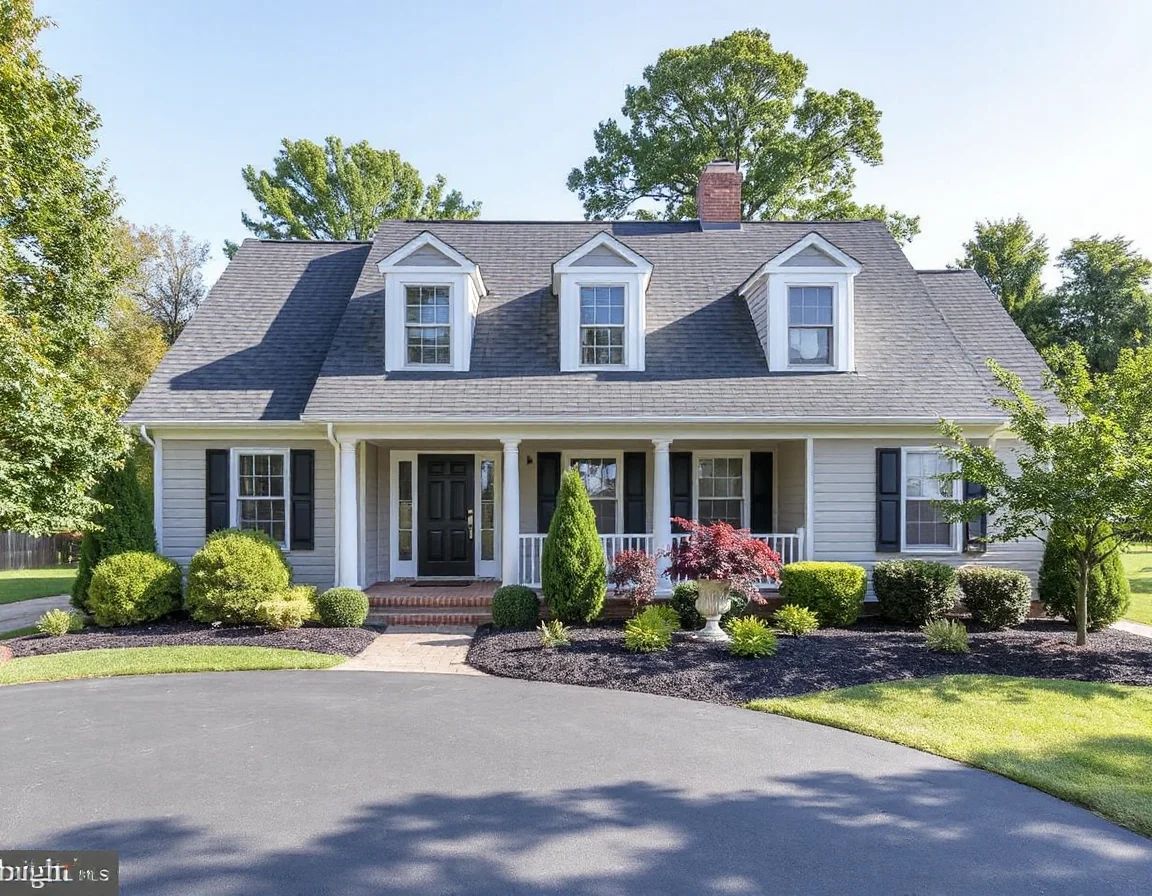
Jarrettsville properties can include a broad range of home styles, lot sizes, mature trees, detached structures, and sloped or irregular rooflines. Those details make a one-size-fits-all approach to roof and gutter maintenance less useful. A long roof run may need additional downspouts; a roof valley may direct a concentrated stream of water into one location; a low section of landscaping may need a carefully planned discharge point. The goal is simple: capture rainwater, carry it away efficiently, and avoid sending it toward the home.
Before committing to an upgrade, take a slow walk around the exterior after a rainstorm if conditions allow. Look for overflowing gutter sections, water splashing near the foundation, damp patches beside downspout outlets, soil that has washed away, or staining on siding and trim. Also look upward for loose gutter hangers, sagging sections, vegetation collecting in valleys, and downspouts that stop too close to the house. These observations can help prioritize repairs instead of replacing components that may only need adjustment.
A gutter is only as effective as its exit path. Extending downspouts and directing water away from the foundation can be as important as replacing the visible gutter channel itself.
It is also worth distinguishing between routine cleaning and a true upgrade. Clearing leaves and debris is regular maintenance. Replacing corroded sections, correcting a poor pitch, adding larger downspouts, improving guards, or rebuilding damaged fascia is a more meaningful project that may improve both performance and presentation. Keep invoices, warranties, product specifications, and before-and-after photos in one folder; organized records can make maintenance easier to explain when it is time to sell.
Roof Improvements That Support Condition and Curb Appeal
A roof replacement is a substantial decision, so it should be based on condition, age, visible wear, and professional guidance rather than appearance alone. Curling shingles, missing tabs, damaged flashing, recurring leaks, deteriorated vent boots, and persistent granule loss are all reasons to seek a qualified roofing evaluation. For a home heading toward the market, addressing an active issue before listing is usually more productive than leaving a visible concern for buyers to discover during showings or inspections.
Material choices should fit the home’s architecture, local weather exposure, and long-term maintenance goals. Architectural shingles remain a common option because they provide dimension and durability without radically changing the home’s character. Metal accents, upgraded flashing, ridge ventilation, and carefully selected gutter colors can also sharpen the exterior without making it look over-designed. The best choice is typically one that looks intentional, functions well, and is supported by clear installation documentation.
Color deserves thoughtful attention. A roof is a large visual surface, and its tone affects how siding, brick, stone, shutters, and landscaping read from the street. Neutral charcoal, weathered brown, and muted gray palettes often work with a variety of Maryland exterior materials, but samples should be viewed outdoors at different times of day. Consider how the color looks alongside existing hardscape and whether it complements the overall exterior rather than competing with it.
Do not overlook the details around the roof. Flashing at chimneys, dormers, skylights, and wall intersections is often more important to water control than a shingle’s surface appearance. Ridge vents and intake ventilation may help manage heat and moisture in the attic when properly designed for the home. These are technical areas where licensed, insured professionals and applicable permits matter. A durable result is about the whole roofing system, not merely the shingles visible from the driveway.
Choose Gutter Upgrades for the Specific House
Seamless gutters are popular because fewer joints can mean fewer potential leak points. They are not automatically the right answer for every property, but they can provide a clean, tailored appearance when installed with the appropriate size, slope, hangers, and downspout placement. Larger-capacity gutters may be worth discussing for rooflines that collect substantial runoff, especially where valleys direct water into a narrow section.
Gutter guards can reduce the frequency of debris removal, particularly around mature trees, but they do not eliminate maintenance. Different guard designs handle leaves, needles, seed pods, and roof runoff differently. Ask installers how their proposed system performs with the vegetation around the property, how it is cleaned, whether it affects warranty coverage, and what happens at roof valleys. A guard that looks tidy but causes water to overshoot during heavy rain is not solving the underlying problem.
Downspout routing should be planned with equal care. Extensions may be above ground, buried, connected to a drainage solution, or directed across a landscape area where water can disperse appropriately. The best option depends on grading, hardscape, soil conditions, nearby structures, and local requirements. Avoid creating a new issue by directing runoff toward a walkway, driveway, neighboring property, or a low spot that stays saturated after storms.
For listing preparation, a straight gutter line, securely fastened downspouts, and clean roof edges can make exterior photos feel more polished before a buyer ever reads the property details.
Because roof and gutter work takes place overhead, safety should remain nonnegotiable. Homeowners can inspect the ground-level signs of water management, but climbing ladders, walking roofs, and modifying drainage systems are better left to properly equipped professionals. Obtain more than one estimate for significant work, compare scopes rather than just prices, and confirm what is included for fascia repair, disposal, cleanup, warranty coverage, and permit coordination.
Prepare the Exterior Before Putting a Home on the Market
If a sale may be on the horizon, schedule exterior work with enough time for completion, cleanup, and photography. A rushed project can leave construction materials, muddy landscaping, or unresolved punch-list items visible during the period when a home needs to show at its best. Once work is complete, clear roof debris from the ground, rinse visible dirt from siding where appropriate, refresh mulch only if needed, and make sure downspout extensions are neatly placed for showings.
Transparency is valuable. If the roof has been replaced, repaired, or professionally inspected, provide the relevant records through the appropriate transaction process. If an issue remains, it is better to understand its scope and discuss a strategy before a buyer’s inspection introduces uncertainty. Effective pricing and preparation rely on the home’s current condition, not on assumptions about what a future buyer may overlook.
Roof and gutter upgrades are ultimately about more than a new exterior detail. They are a chance to reduce water-management concerns, preserve key parts of the home, and present a property with a clearer maintenance narrative. Whether the project is a targeted repair or a complete system replacement, thoughtful planning can help a Jarrettsville home look cared for from the curb to the closing table.