

Decluttering before listing is not about making a home feel empty; it is about making its space, storage, light, and condition easy to see. A focused plan can reduce pre-listing stress, simplify photography and showings, and help buyers focus on the features that make your Churchville property distinctive.
Start With a Listing Mindset
Preparing a home for the market can feel like a large project, especially when everyday belongings have accumulated naturally over time. The most useful way to begin is to view decluttering as a marketing step rather than a judgment on how the home has been lived in. Buyers need room to notice the floor plan, windows, countertops, closets, and storage options without visually sorting through personal items at the same time.
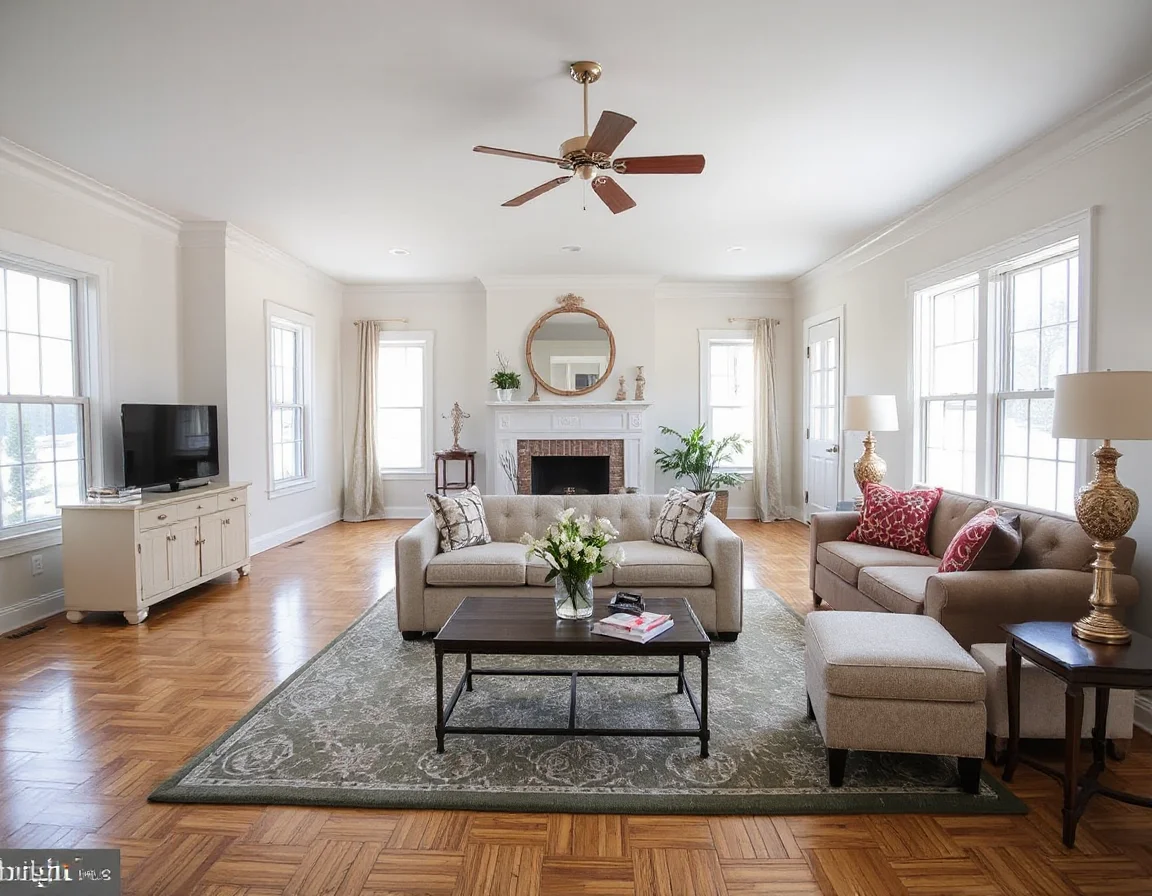
Begin with the rooms that create the first impression. Entry areas, living spaces, kitchens, and primary bedrooms tend to carry the most visual weight in listing photos and showings. Remove items that block pathways, crowd corners, or cover useful surfaces. This does not require stripping every room bare. A restrained arrangement of furniture and a few intentional accents can help rooms feel functional while allowing their proportions to come forward.
It can help to bring a laundry basket or storage bin into each room and make quick decisions: keep for staging, pack for the move, donate, recycle, discard, or relocate. Small categories are easier to tackle than “the whole room.” Start with magazines, extra throws, collections, countertop appliances, duplicate décor, and items waiting to be repaired. Building momentum in visible areas often makes the next task less daunting.
A clear surface usually reads as additional space in listing photos. Kitchen counters, bathroom vanities, desktops, and bedside tables are high-impact places to edit first.
Churchville homes vary widely in age, lot size, and layout, so the goal is not a single staged look. Instead, emphasize what your particular property already offers. A sunny breakfast area, an accommodating mudroom, built-in shelving, a workshop corner, or a flexible finished room can become more memorable when it is not competing with excess belongings.
Make Storage Look Useful, Not Full
Closets, cabinets, pantries, utility rooms, and garages matter because buyers often open them during a showing. A storage area does not need to look unused, but it should show that it can work. Aim to remove enough items that shelves, hanging space, and floor area are visible. Matching bins or simple baskets can help, although labeling is optional and should be kept discreet for photographs.
For closets, consider packing out-of-season clothing, extra linens, and specialty items that are not needed in the coming weeks. In a pantry, group similar goods and remove expired items or bulky packaging. In the garage or shed, clear a reasonable walking path and gather loose tools, paint supplies, and garden equipment into defined zones. These practical efforts help people understand the scale and purpose of the storage instead of wondering where items might fit.

Paper is often the category that slows sellers down. Instead of trying to organize every document perfectly before listing, create three temporary folders: action needed, retain, and shred or recycle. Important property paperwork, manuals, receipts for improvements, and records that may be useful during the transaction can be kept together in one portable file. The rest can be handled after the home is photo-ready.
Personal items deserve special attention. Framed photographs, highly specific collections, medication, mail, financial documents, and valuables are best packed away before photography and showings. This protects privacy while helping visitors concentrate on the property itself. It also makes cleaning easier, since fewer small objects need to be moved each time surfaces are wiped down.
If a room has become a catch-all, establish one temporary off-site or out-of-view destination for packed boxes before listing photos. Moving boxes from room to room usually postpones the decision rather than solving it.
Use a Room-by-Room Plan
A practical checklist keeps the project moving without turning every weekend into a marathon. In the kitchen, clear counters down to a few useful or decorative pieces, edit refrigerator magnets and papers, and empty the area beneath the sink of anything that is expired or leaking. In bathrooms, leave only a minimal set of neatly arranged essentials, plus clean towels. Bedrooms benefit from cleared nightstands, simplified dressers, and closets that can be opened comfortably.
Living rooms and finished lower levels should show how a space can be used, but there is no need to assign a purpose to every corner. If a room supports more than one activity, use furniture placement to create a clear flow. Keep cords contained, remove seldom-used exercise equipment if possible, and avoid overfilling bookcases. A few books and objects give shelves texture; tightly packed shelves can make a room feel busier than it is.
Don’t overlook the exterior transition points. Porches, patios, garages, and entryways often collect seasonal gear, planters, delivery boxes, and outdoor tools. Clearing those areas makes arriving at the home feel more straightforward and allows architectural details and landscaping to stand out. A tidy front porch can be especially effective because it sets an organized tone before anyone steps inside.
Create a Sustainable Showing Routine
Once the home is decluttered, make it easy to maintain. Keep a small basket for daily essentials, establish a quick evening reset for counters and tables, and use a hamper or lidded bin for items that need to be put away before a showing. Sellers often find that a ten-minute routine is more manageable than a last-minute, whole-house sweep.
Cleaning and decluttering work best together, but they are different jobs. Decluttering reveals the surfaces and features; cleaning highlights their condition. After items are removed, look for small maintenance details that may now be visible, such as scuffed baseboards, loose cabinet hardware, worn caulk, burned-out bulbs, or a door that sticks. Addressing manageable repairs before photos can support a more polished presentation.
Finally, avoid making major decisions based only on general advice. The right amount of editing depends on the home’s condition, price range, current competition, and the features that deserve the most attention. A thoughtful pre-listing review can identify where a seller’s effort will have the greatest impact, from clearing a basement storage room to refreshing a front entry or refining furniture placement.
Learn about seller representation
A Clearer Home Tells a More Complete Story
Decluttering is one of the most controllable parts of preparing to sell. It can make rooms easier to photograph, simplify the showing process, and help buyers evaluate the property’s layout and features with fewer distractions. Take it one category and one room at a time, pack early when possible, and keep the goal in view: presenting a Churchville home that feels cared for, functional, and ready for its next chapter.