

Joppa home prices are shaped by more than a list-price headline: available inventory, property condition, location, financing terms, and buyer demand all influence what a home may command. Whether you are preparing to buy or sell, understanding these moving pieces can help you make decisions with clearer expectations and a stronger strategy.
A Clearer Way to Read the Joppa Market
Real estate conversations often start with one question: “What are homes selling for?” It is an important question, but it is only one part of the picture. In Joppa, Maryland, a useful market read combines recent sale prices with the number of homes currently available, the pace of new listings, the condition and features of comparable properties, and the terms buyers are using to compete. Looking at those factors together offers a more practical view than relying on a single average or a headline from several months ago.
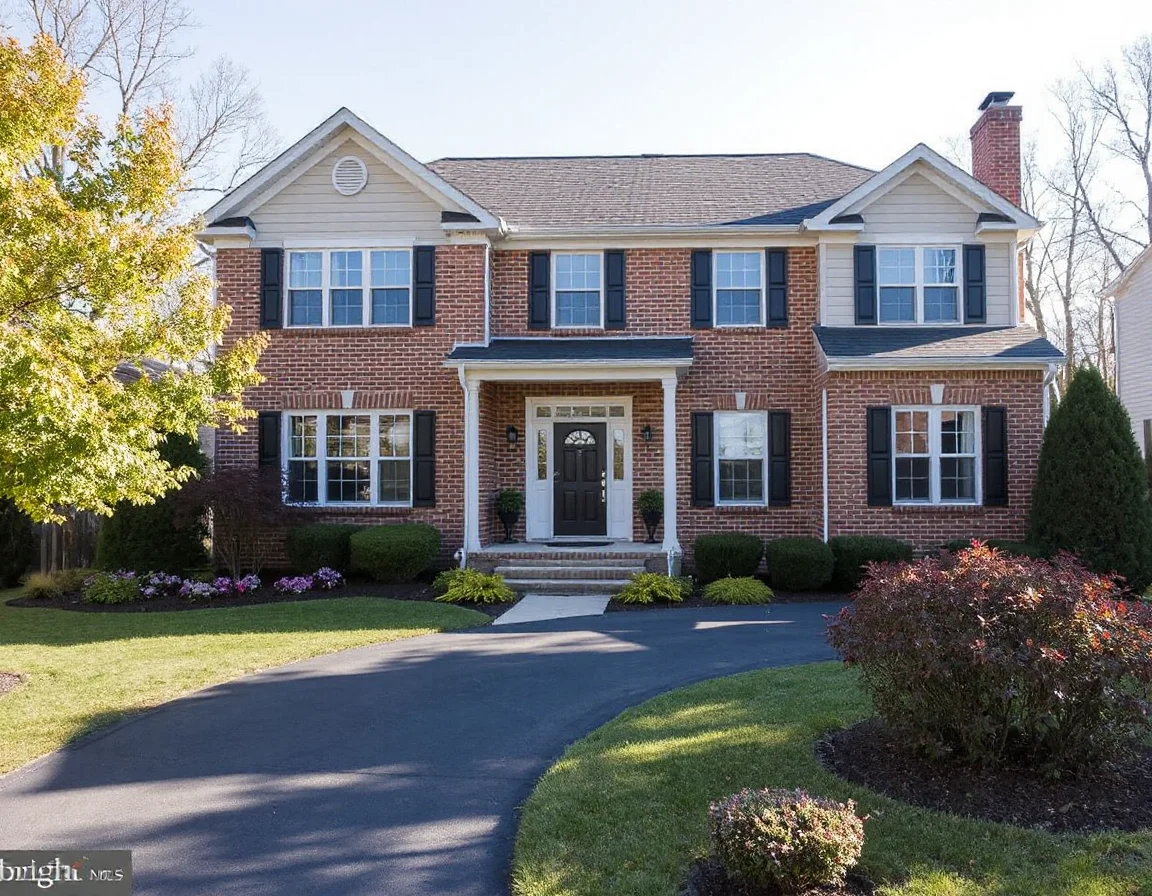
Joppa includes a mix of housing styles and settings, from established single-family homes to townhomes and properties with varying lot sizes, updates, and access to area roads and amenities. That variety means two homes with a similar bedroom count can perform very differently. A renovated kitchen, a flexible layout, outdoor living space, parking, maintenance history, or a location within the broader Joppa area can all affect how buyers respond.
For buyers, the key is to separate the asking price from the likely market value. A new listing may be priced to encourage immediate activity, while another may reflect extensive improvements or a feature set that is difficult to find nearby. For sellers, the goal is not simply to choose the highest number seen in nearby listings. It is to position the property thoughtfully against the homes buyers can tour today and the homes they have recently chosen to purchase.
A list price is an invitation to the market, not a guarantee of value. The most useful comparison is a recent, nearby sale with similar condition, size, features, and location.
Seasonality can also affect the feel of the market. New listings often arrive in waves, and buyer activity can change around holidays, weather patterns, school calendars, and shifting interest-rate conditions. Those changes do not automatically determine a home’s value, but they can influence how many competing properties are available when a listing launches or when a buyer is ready to write an offer.
Why Inventory Changes the Conversation
Inventory refers to the homes actively available for sale at a given time. When buyers have fewer comparable choices, well-prepared homes can attract attention quickly. When more homes are available, buyers may have additional time to compare layouts, condition, and pricing. Neither situation is universally better; each calls for a different approach to timing, preparation, and negotiation.
It is helpful to watch inventory by property type and price range instead of treating the entire area as one market. A buyer seeking a townhome may encounter different choices and competition than someone searching for a detached home. Likewise, a home with recent major updates may stand apart from nearby properties that need more immediate work. Broad county-level figures can provide context, but local comparisons often matter more when it is time to make a decision.

For sellers, low inventory does not remove the need for preparation. Buyers still notice deferred maintenance, dark rooms, cluttered spaces, dated finishes, and listing photos that do not communicate the home’s strongest features. A detailed pricing analysis and a targeted pre-listing plan can help determine which updates are worth considering and which are unlikely to produce a meaningful return.
For buyers, a limited-selection period is a reminder to prepare before the right home appears. Reviewing financing options, identifying non-negotiables, and understanding the difference between a cosmetic project and a major repair can make a showing more productive. It also helps to revisit priorities after touring a few homes; sometimes the market reveals which features truly matter most in daily life.
Inventory is not a static number. A property can go under contract, return to the market, or be replaced by new competition in a matter of days. Buyers and sellers benefit from current information, especially when comparing active listings with pending and recently closed sales. Pending properties can be particularly useful because they show where buyer interest may be concentrating, even though final sale terms are not yet public.
What Buyer Competition Can Look Like
Buyer competition is often discussed as though every listing receives the same response. In reality, it tends to be selective. Homes that are clean, accurately priced, easy to show, and clearly presented may receive more attention than comparable properties with uncertain condition or pricing. Competition can also vary based on financing, timing, inspection considerations, closing flexibility, and the overall strength of the offer—not solely the purchase price.
A competitive buyer offer should be based on information, not urgency alone. Before submitting an offer, review recent comparable sales, consider the home’s current condition, ask questions about disclosures and available documentation, and understand the obligations in the contract. A strong offer can include a thoughtful price, clear financing documentation, realistic timelines, and terms that fit the buyer’s comfort level and financial plan.
Sellers should evaluate offers in the same complete way. The highest figure is not always the best net result if the terms add uncertainty, extended timelines, or significant contingencies. Comparing financing strength, requested concessions, closing dates, inspection language, appraisal considerations, and potential repair expectations can provide a more complete understanding of each proposal.
Negotiation is where preparation matters most. Laura Hinkel’s approach centers on effective pricing, careful analysis of a home’s present condition, and clear communication about the steps that can support a successful sale or purchase. That practical guidance is valuable whether the market feels fast-paced or more measured.
Practical Next Steps for Buyers and Sellers
If you are considering a move in Joppa, begin with a current market conversation rather than an online estimate alone. For sellers, that means reviewing recent comparable sales, active competition, property condition, likely preparation tasks, and your preferred timing. For buyers, it means establishing a comfortable price range, monitoring new listings, and understanding how your offer terms may be viewed in the current market.
It is also worthwhile to plan for the details that can affect a transaction after an offer is accepted. Buyers may want to reserve funds for inspections, moving, repairs, and changes they choose to make after closing. Sellers can benefit from gathering warranty information, service records, utility details, and documentation for major improvements before the home goes live. Small organizational steps can reduce avoidable delays later.
The best timing is personal as well as market-based. A well-organized plan, realistic pricing, and current local data often matter more than trying to predict the exact “perfect” week to act.
Joppa’s market will continue to shift as inventory, rates, and local demand change. The most useful strategy is to stay focused on the homes and terms that are relevant to your goals right now. With current comparisons and a plan tailored to the property or search, buyers and sellers can move forward with more confidence and fewer surprises.