

Thoughtful staging helps buyers understand a home’s scale, flow, and best features the moment they walk in. In Bel Air North, the most effective preparation is rarely about buying everything new—it is about editing, brightening, and making each room easy to picture as part of everyday life.
Start With a Clear, Comfortable First Impression
Preparing a home for sale is not about creating a space that feels generic or overly decorated. It is about helping each room communicate its purpose without distraction. Buyers often make quick observations during a showing: Is there enough natural light? Can furniture fit comfortably? Does the layout feel easy to use? Strategic staging answers those questions visually before a buyer has to ask them.

The work begins before anyone reaches the front door. Clear the walkway, sweep the porch, remove worn seasonal decorations, and check that exterior lighting and house numbers are easy to see. A fresh doormat, healthy-looking planters, and a front entry free of clutter can make the arrival feel intentional. These details do not need to be elaborate; consistency and upkeep usually have more impact than extra ornament.
Inside, take a slow walk through the home as though you are seeing it for the first time. Look for visual bottlenecks: an entry piled with shoes, a hallway narrowed by furniture, or a dining table covered in mail. Removing a few items can change how a room reads. Aim for clear pathways and enough open floor area for buyers to notice room dimensions, windows, storage, and architectural features.
Neutral does not have to mean empty. A restrained palette of soft white, warm beige, gray, muted blue, or natural wood tones can create a cohesive backdrop while allowing the property itself to take center stage. A few layered details—fresh towels, a simple bowl on a table, a neatly folded throw, or a healthy green plant—can add warmth without competing for attention.
The goal is not to show every possession a room can hold. Creating visible floor space and unobstructed walkways helps buyers read the true size and flow of the home.
Light is another practical staging tool. Open blinds and curtains before showings, replace burned-out bulbs, and use matching bulb temperatures in the same room whenever possible. Daylight can make a meaningful difference in photographs and in-person tours, while warm, consistent lighting helps rooms feel more polished during cloudy days or evening appointments.
Give Every Room One Obvious Job
Rooms that have a clear function are easier for buyers to evaluate. If a spare bedroom currently serves as a storage area, exercise corner, office, and hobby room all at once, simplify it before photography and showings. You do not need to erase flexibility; instead, lead with one primary use and let the room’s size suggest its additional possibilities.
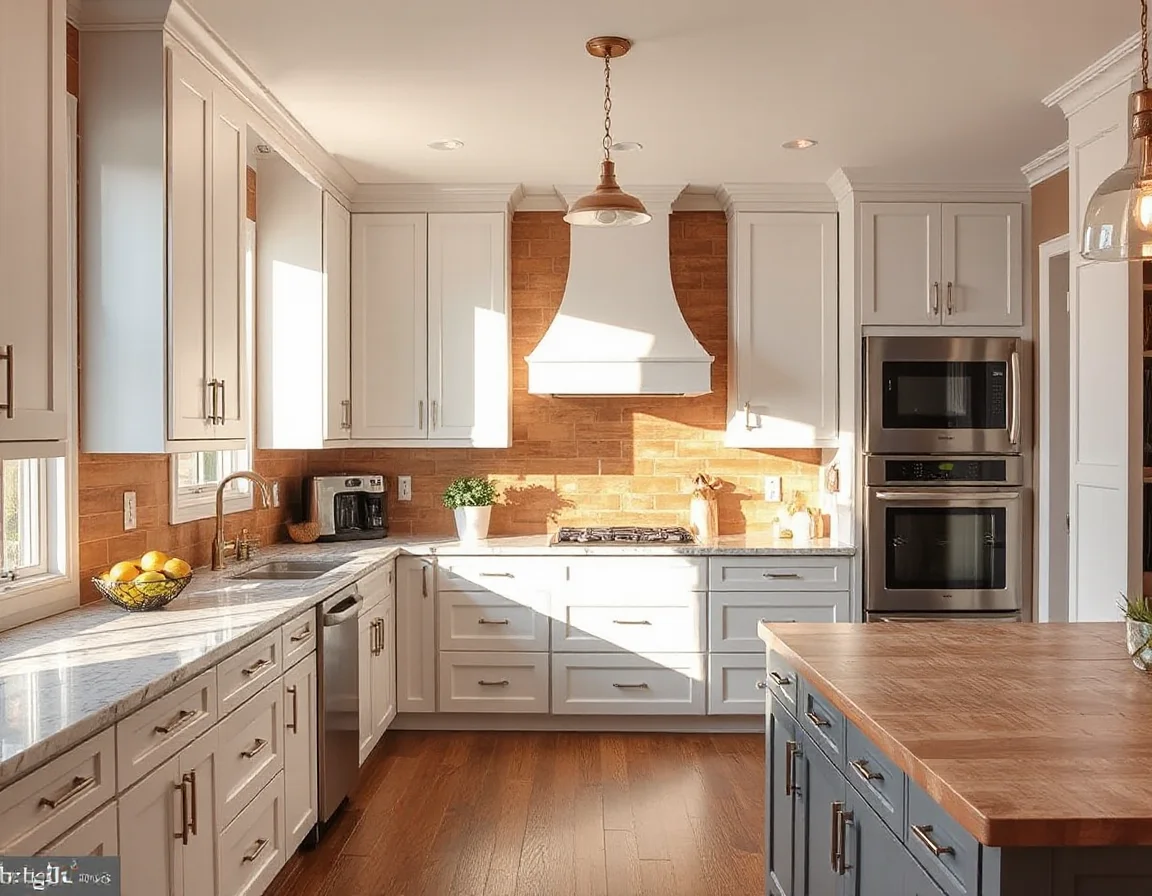
Kitchens deserve special attention because they are among the most closely examined spaces in a home. Clear counters as much as possible, leaving only a few purposeful items such as a wooden tray, a small plant, or a bowl of fruit. Store countertop appliances, magnets, dish racks, and paperwork for showings. Wipe cabinet fronts, polish hardware, and make sure the sink and faucet are spotless. These simple steps emphasize usable prep space and the condition of the finishes already in place.
In living rooms, consider whether the furniture arrangement highlights the room rather than crowding it. Oversized seating, too many side tables, or heavy bookcases can make an otherwise generous space appear smaller. Pulling furniture slightly away from walls, defining a conversation area, and using a modest coffee table can make the layout feel more deliberate. If the room has a fireplace, picture window, built-in shelving, or access to a patio, arrange the space so that feature remains visible.
Bedrooms typically show best when they feel calm and uncluttered. Make the bed with coordinated linens, remove excess furniture, and clear surfaces except for a few simple accents. Closets matter, too. Buyers expect to look inside, so edit clothing and storage items enough that the available space is easy to see. A neatly organized closet communicates care and helps people assess storage realistically.
Bathrooms benefit from a hotel-like reset. Put away personal care products, close toilet lids, use fresh neutral towels, and clean mirrors, tile, fixtures, and grout. Even a small bath can feel brighter with clear surfaces and one simple finishing detail. Avoid strong fragrances; clean air, open windows when weather permits, and subtle freshness are usually more inviting than heavily scented products.
For listing photos, countertops, bathroom vanities, nightstands, and floors should have enough open space to make their materials and dimensions immediately visible.
Do not overlook utility spaces, laundry rooms, garages, basements, and patios. These areas often influence how buyers perceive storage and maintenance. Group loose items into tidy categories, remove anything that will not remain with the property, and make sure access points are easy to open. A clean patio with simple seating or a well-kept garage can reinforce the impression that the home has been cared for from front to back.
Edit With the Listing Strategy in Mind
Staging works best when it supports the home’s pricing, condition, and marketing plan. Before investing in new décor, focus first on repairs and presentation basics: touch up scuffed paint, secure loose hardware, address visible maintenance concerns, and remove items that make a room feel crowded. Buyers are evaluating the overall condition of the property, so a clean and well-maintained presentation can be more valuable than a large collection of accessories.
Photographs are also part of the staging plan. The camera notices cords, tissue boxes, pet supplies, mismatched lamps, and small countertop clutter that may fade into the background during daily life. Preparing for photos with the same care used for a showing creates a more consistent experience from the first online viewing through the in-person visit. Consider how each room connects to the next so the home tells a clear visual story.
For occupied homes, the process does not have to be disruptive. Pack away nonessential items early, use labeled bins for daily necessities, and create a quick showing checklist for beds, dishes, lights, blinds, and pet items. This approach makes it easier to maintain the staged look while continuing to live in the home. It also reduces last-minute stress when a showing request arrives.
Every property has different strengths, whether that is an updated kitchen, a flexible finished lower level, a bright home office, outdoor living space, or a well-proportioned primary suite. The strongest staging choices bring attention to those features while keeping the rest of the home orderly and easy to navigate. With a focused plan, sellers can present Bel Air North homes in a way that feels polished, welcoming, and true to the property.