
A thoughtful home inspection can turn an exciting Pylesville offer into a well-informed decision. From rooflines and drainage to wells, septic systems, and outbuildings, knowing what to review before writing an offer helps buyers prepare stronger questions, sensible contingencies, and a realistic ownership budget.
Start Looking Before the Inspection Window Opens
In a competitive real estate conversation, it is easy to think of the inspection as something that happens only after a contract is signed. In reality, the best preparation begins while touring the home. A careful walkthrough cannot replace a licensed home inspection, but it can help buyers spot items worth investigating and shape the terms of an offer. Take notes, revisit listing disclosures, and look beyond fresh paint or attractive staging to the systems that support the property every day.
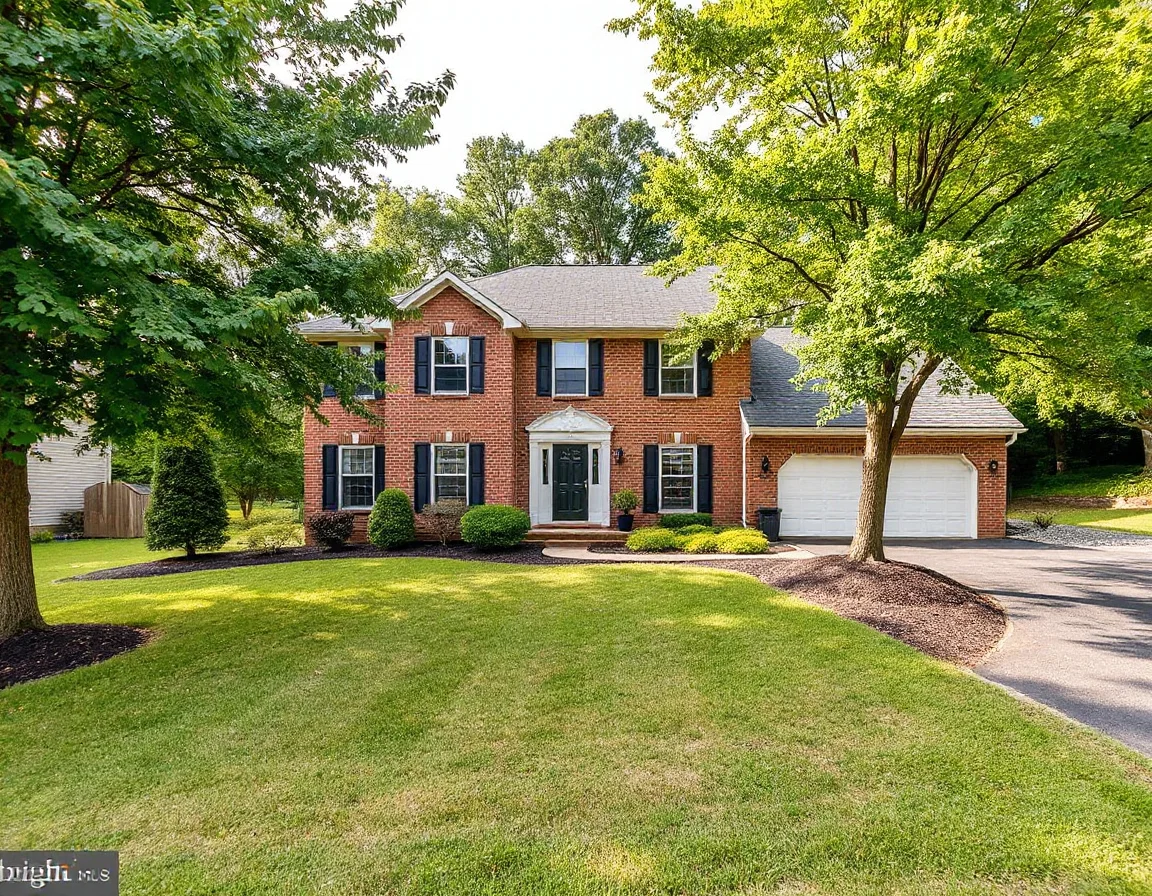
Begin at the exterior. Notice the age and apparent condition of the roof, gutters, downspouts, siding, foundation, walkways, retaining walls, and driveway. Water management deserves particular attention: downspouts should direct water away from the foundation, and the grading around the home should not appear to send runoff toward the structure. Look for standing water, soft ground, soil erosion, peeling paint, cracked masonry, or vegetation pressing against siding. These observations are not diagnoses, but they can guide the questions you ask.
Also consider the whole site rather than just the main house. Pylesville properties can include sizable lots, detached garages, sheds, barns, fencing, patios, decks, pools, and long driveways. Each feature can add function and enjoyment, but each may also bring maintenance needs. If an outbuilding, deck, or addition matters to your plans, ask whether permits, records, and maintenance history are available. A general home inspector may review many visible components, while specialized professionals may be appropriate for a structural concern, chimney, pool, or other specific feature.
A home’s condition is more than its interior finishes. Drainage, roof maintenance, and the condition of exterior structures can influence both near-term repair planning and long-term upkeep.
Before making an offer, review the seller’s property disclosure carefully and compare it with what you observed during the showing. Pay attention to prior water intrusion, roof repairs, insurance claims, renovations, heating and cooling updates, and any known issues with mechanical systems. If the answers raise a question, write it down rather than relying on memory. A focused list makes it easier to select the right inspection services once the property is under contract.
Learn about buyer representation in Maryland
Plan for the Systems That May Need Specialized Review
Every property has its own combination of systems, but homes in and around Pylesville may rely on private wells, septic systems, propane tanks, oil heat, sump pumps, or other components that deserve a closer look. A standard home inspection is an important starting point, yet it is typically a visual, non-invasive review. It may identify signs that further evaluation is needed, but it does not replace a well-water analysis, septic inspection, radon test, sewer scope, pest inspection, or evaluation by a licensed trade professional.
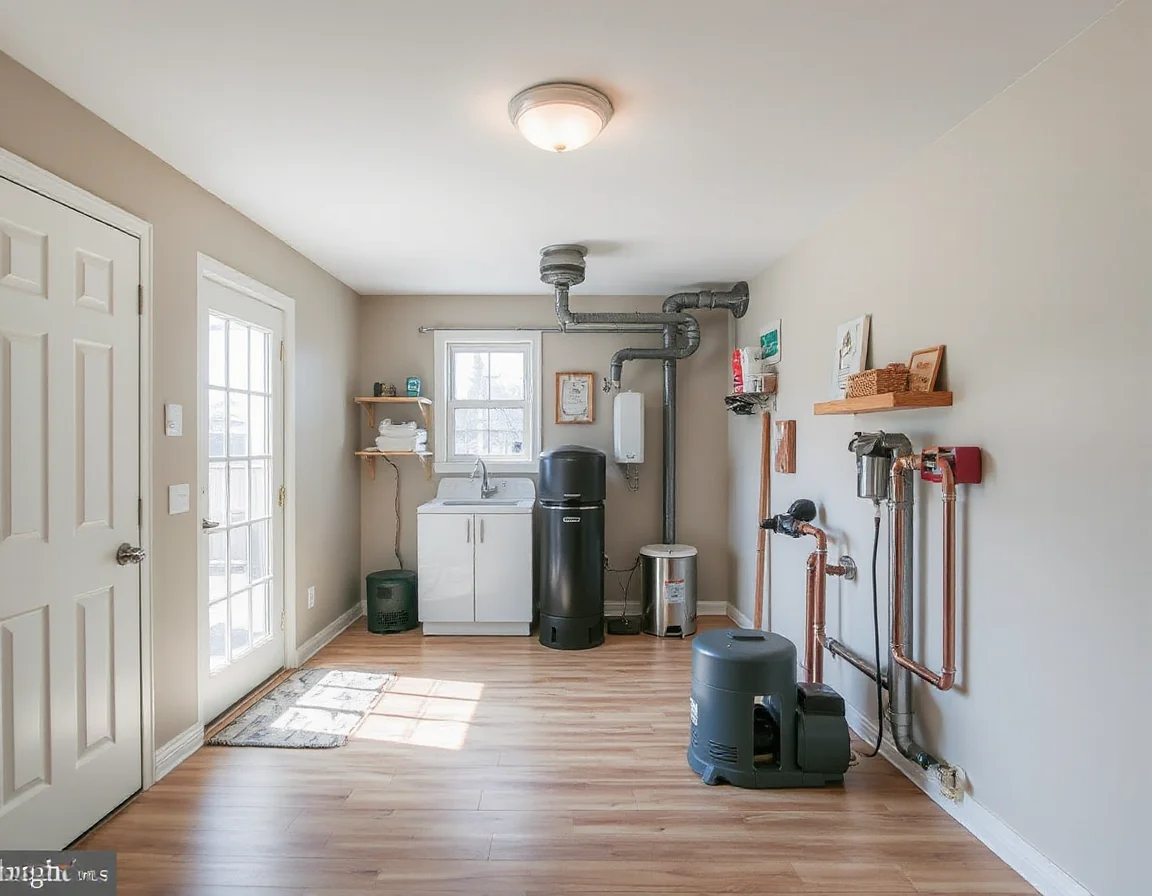
For a home served by a private well, buyers may want to ask about the well’s location, age, servicing, water treatment equipment, yield history, and prior test results. Water quality testing can be especially helpful because it provides current information rather than assumptions based on appearance or taste. If treatment equipment is present, ask whether it is owned or leased, what routine service it requires, and whether manuals or service invoices are available.
For a septic system, request available records relating to installation, permits, pumping, repairs, and inspections. Identify the approximate location of the tank and drain field before planning major landscaping, a new patio, or an accessory structure. A septic professional can assess the system more thoroughly than a general home inspection alone. The same principle applies to older heating equipment, chimneys, fireplaces, electrical panels, and visible foundation movement: a specialist’s evaluation may provide the detail needed to make a confident decision.
If a specialist is recommended, schedule that review promptly. Inspection and contingency deadlines can move quickly, and a timely report gives buyers more room to evaluate the results calmly.
It is also wise to ask which systems will remain with the property and which items are leased. Propane tanks, solar equipment, water treatment systems, security equipment, and other installations can have separate agreements or transfer procedures. Confirming these details early helps avoid surprises between contract acceptance and settlement. When in doubt, have your real estate professional help request documentation in writing.
Use the Inspection Report as a Planning Tool
A detailed report can feel overwhelming because it often lists every observed condition, from a loose handrail to a component nearing the end of its expected service life. That does not mean the home is a poor choice. Homes of every age need maintenance, and an inspection report is designed to document visible conditions rather than assign a simple pass-or-fail grade. The most useful approach is to sort findings into categories: safety concerns, active water or structural concerns, major system issues, items requiring specialist review, and routine maintenance.
Focus first on matters that may affect health, safety, weather resistance, structural performance, or the ability of essential systems to operate as intended. Then consider the expected cost, urgency, and practical timing of repairs. A small maintenance list might be manageable after settlement, while a combination of major findings could affect the price, terms, financing, insurance availability, or your comfort with the property’s overall condition. Your inspector and qualified contractors can help clarify scope; your real estate professional can help you frame a response consistent with the contract.
Keep requests precise and evidence-based. Rather than sending a broad list of every note in the report, identify the most consequential concerns and reference the relevant inspection language. Depending on the agreement and local practice, buyers may request repairs, credits, price adjustments, additional time for evaluation, or release from the contract under an applicable contingency. There is no universal answer; the right strategy depends on the property, market conditions, financing, and your priorities.
Build Inspection Time Into a Confident Offer Strategy
Before writing an offer, discuss the inspection timeline with your agent and make sure it leaves enough room to schedule the professionals the home may need. Availability can vary, especially when a property calls for well, septic, radon, chimney, pest, or contractor evaluations in addition to the general inspection. Ask what access will be needed for attics, crawl spaces, mechanical rooms, detached structures, and utility equipment. Clear scheduling early in the process helps keep the transaction organized.
Bring practical tools to the task: a notebook, phone charger, measuring tape, and a list of questions. During the inspection, attend if possible and ask the inspector to explain the major findings in plain language. You do not need to understand every technical detail immediately. What matters is leaving with a clear sense of what needs attention now, what should be budgeted for later, and what information still needs confirmation.
A successful offer is not one that ignores condition; it is one that accounts for it thoughtfully. By observing the property carefully, choosing appropriate inspection services, and evaluating reports with a clear set of priorities, buyers can move forward with better information. That preparation creates room to appreciate the home’s possibilities while making decisions grounded in its real condition and anticipated maintenance needs.