

Pricing a home well in Perry Hall is less about picking a hopeful number and more about creating the right response from the market. A strategic list price can increase showing activity, strengthen negotiating position, and help you avoid the costly pattern of price cuts after launch. This guide breaks down how to balance comparable sales, condition, competition, and timing so your home enters the market with momentum.
Why the First Price Matters So Much
The opening list price sets the tone for everything that follows. When a home debuts at a number that lines up with current buyer expectations, it tends to generate more attention in the first days on market, when a new listing is at its most visible. When it starts too high, the market often responds with hesitation rather than urgency, even if the property has strong features and desirable updates.
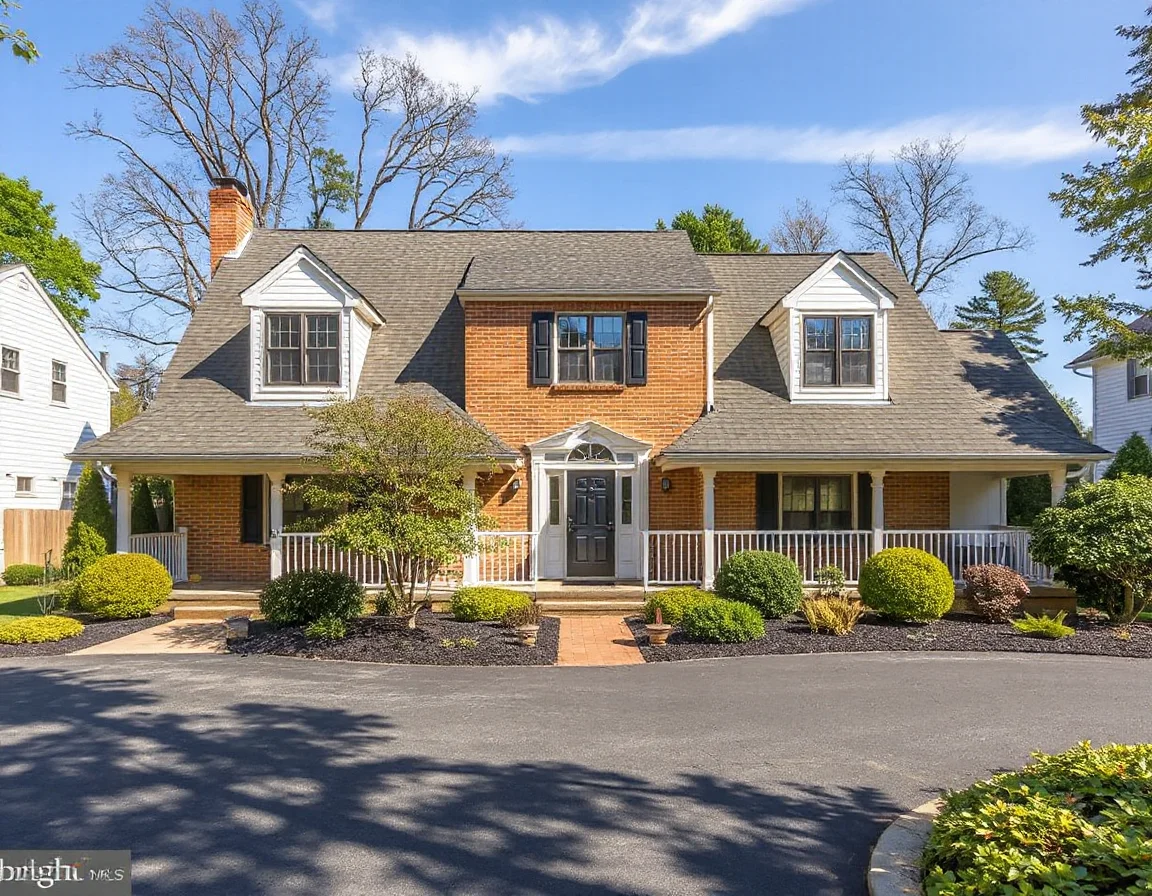
Many sellers understandably focus on what they need from the sale, but the market does not price homes based on a seller’s goals alone. It responds to evidence: recent comparable sales, active competition, lot characteristics, square footage, updates, layout, and overall presentation. Buyers compare value quickly, often within minutes of seeing photos and list details online, so even a modest overpricing decision can reduce click-throughs, showings, and offers.
In Perry Hall, where housing options can range from established single-family neighborhoods to townhomes and updated properties with more modern finishes, pricing precision matters. Two homes with similar bedroom counts may perform very differently based on condition, backing to open space, renovation quality, or whether the kitchen and baths feel current. A strong strategy accounts for these details instead of relying on broad averages.
The first two weeks on market often bring the highest level of fresh attention. A smart launch price can do more for seller leverage than a later reduction meant to catch up.
Start with Comparable Sales, but Read Them Carefully
The most useful pricing foundation usually comes from recently closed sales, especially homes that are similar in size, age, style, and location. But not every comparable sale deserves equal weight. A sale from six months ago may reflect a different mortgage rate environment, seasonal shift, or inventory level than what sellers face today. That means historical data needs context, not just a price-per-square-foot shortcut.
Comparable analysis works best when you separate homes into realistic peer groups. A renovated colonial with updated flooring, a newer roof, and polished landscaping should not be treated the same as a property with original finishes and deferred maintenance, even if the floor plans are close. Likewise, a home on a busier road may need a different pricing adjustment than one tucked deeper into a neighborhood.
Active listings also deserve close attention because they represent the homes buyers are choosing among right now. If several nearby properties are sitting without strong activity, that can be a sign that the market is resisting current price levels. Pending sales can be especially helpful too, because they show what is attracting offers in the moment, even before final closed numbers are published.
Effective pricing blends these three views together: what has sold, what is competing, and what is moving quickly. That fuller picture is often what helps a home stand out without leaving value on the table.
Condition, Presentation, and Price Are Connected
A list price should reflect not only the home itself, but also how ready it is for the market. Clean presentation, thoughtful staging, touch-up paint, lighting improvements, and minor repairs can affect how buyers interpret value. If a home feels move-in ready, buyers may be more comfortable offering near list price. If they expect to handle updates soon after closing, they typically build that cost and inconvenience into their decision.
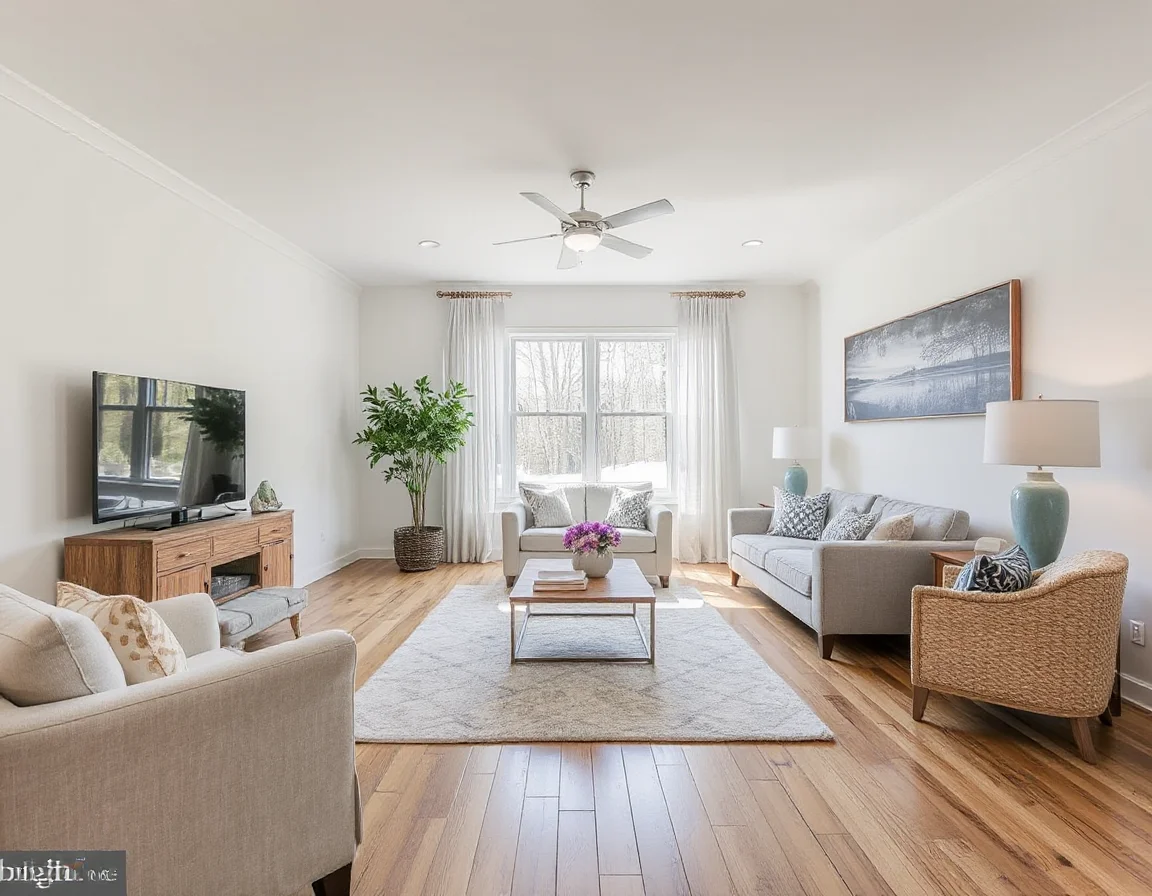
This does not mean every seller needs a full renovation before listing. In many cases, pricing the home honestly around its current condition is the better move. A dated but well-maintained property can still attract strong interest when buyers can clearly see the value equation. Problems tend to arise when the price suggests a level of finish or modernization the home does not actually deliver.
Photos, curb appeal, and in-person impressions all reinforce price. If the online presentation looks polished and the home shows consistently well, buyers are more likely to view the asking price as credible. If not, even a reasonable number may be questioned. That is why pricing and preparation should be decided together rather than as separate steps.
Small pre-listing improvements often create more pricing flexibility than sellers expect. Clean lines, fresh light fixtures, and repaired wear points can change how quickly value is recognized.
For sellers balancing cost and return, it helps to prioritize updates that are visible and practical: paint, flooring condition, hardware, landscaping, and anything that signals good maintenance. Those details can influence both showing volume and the quality of offers received.
How to Avoid the Overpricing Trap
Overpricing often begins with understandable optimism. Sellers may remember a neighbor’s standout sale, focus on upgrade costs, or hope to “leave room to negotiate.” The challenge is that today’s buyers are highly informed, and homes that appear overpriced can lose momentum before negotiations even begin. Instead of creating bargaining room, an inflated price can reduce the pool of interested buyers from the start.
A home that lingers can invite tougher questions: Is something wrong with it? Why has it not sold? Will the seller need to reduce further? That perception shift can hurt leverage more than pricing correctly on day one. In many markets, a well-priced home draws stronger attention than one that starts high and chases the market down through reductions.
There is also a practical issue with search filters. Many buyers shop within firm price brackets online. If a home is priced just above the range where it truly belongs, it may be excluded from search results seen by the most likely interested buyers. That can quietly reduce exposure at the exact moment a listing needs the widest possible audience.
Learn about seller representation
What a Smart Pricing Strategy Looks Like in Perry Hall
The strongest pricing plans usually combine market data with neighborhood-level judgment. In Perry Hall, that means understanding how buyers respond to specific streets, lot settings, home styles, updates, and access to everyday conveniences, commuter routes, parks, and retail areas. Hyperlocal knowledge helps separate a home that should be priced at the top of its range from one that needs a more competitive approach.

It also helps to think in terms of outcomes, not just list price. Would you rather enter the market at a number that creates immediate interest and the potential for stronger terms, or test a higher number and risk slower activity? The answer depends on the property and the current market, but in general, pricing to attract early engagement gives sellers more options than waiting for the market to push back.
Seasonality can matter too. Buyer activity, available inventory, and timing around major calendar periods all influence how aggressively a home should be positioned. A strategy that worked in one quarter may not be the best fit in the next. Reviewing fresh data before listing is essential.
Ultimately, the right price is one that reflects the home’s condition, matches current competition, and encourages buyers to act. When those pieces line up, sellers are in a much better position to attract serious interest and move forward with confidence.
Final Thoughts
Pricing your Perry Hall home is not about guessing high and hoping the market agrees. It is about understanding where your property fits today and launching with a number that supports attention, trust, and negotiation strength. With careful analysis and a realistic plan for presentation, sellers can position their homes to attract offers without unnecessary delays or repeated price drops.