
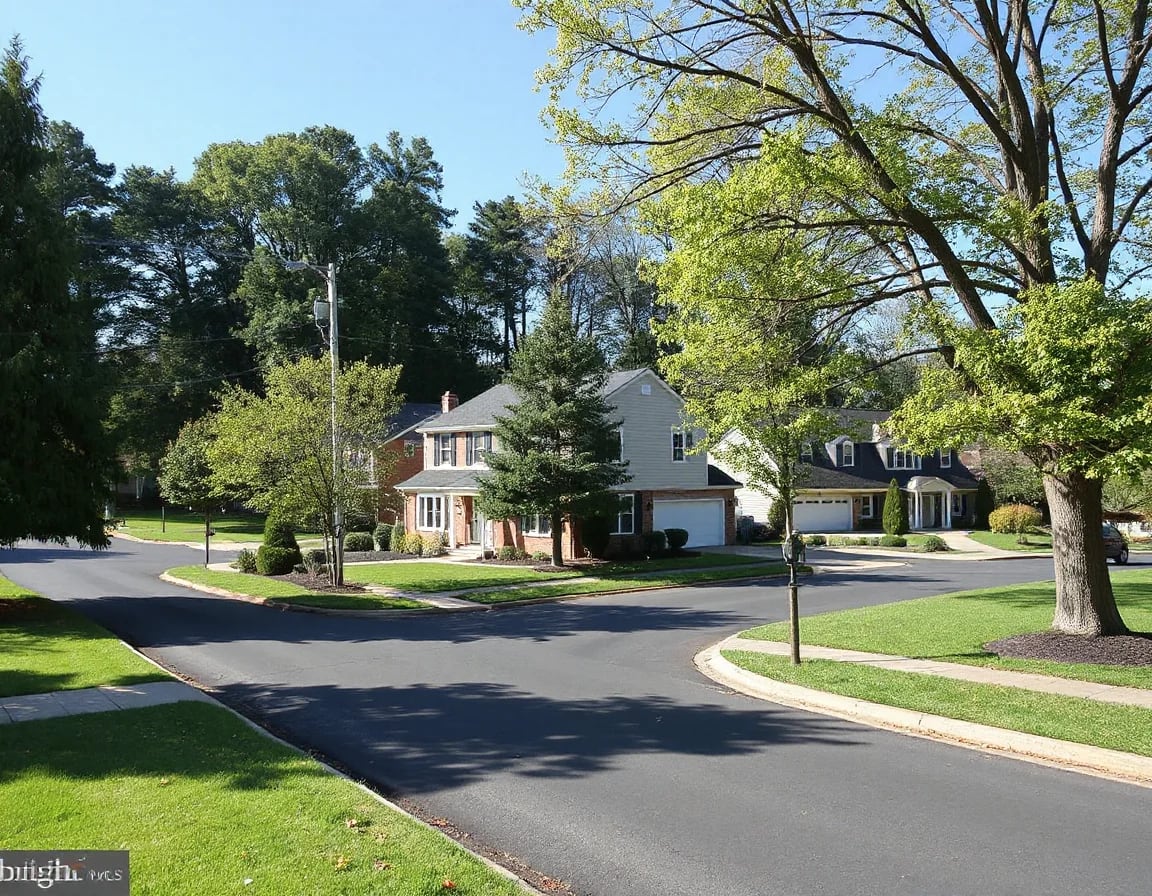
Comparing Forest Hill and Bel Air comes down to how you want your daily routine to feel, what kind of housing stock fits your plans, and how close you want to be to services, retail, and commuting routes. Both communities offer strong appeal within Harford County, but they deliver it in different ways. A closer look at pace, amenities, home styles, and market behavior can make the decision much clearer before you start touring properties.
Two Strong Options With Different Everyday Rhythms
Choosing between these two Harford County communities is less about finding a “better” place and more about matching a location to your priorities. One leans a bit more toward a classic town-center experience, with convenient access to dining, retail, community events, and civic destinations. The other often feels a touch more residential and spread out, with a quieter cadence, established neighborhoods, and easy access to parks and open space.

Bel Air is often associated with a more active central hub. Residents can reach a wider range of errands, services, and local destinations without covering much ground, and that convenience shapes the day-to-day experience. Seasonal events, public gathering spaces, and a recognizable core give the area a sense of movement that many buyers appreciate when they want amenities close at hand.
Forest Hill, by contrast, tends to offer a more tucked-in feel while still keeping practical destinations nearby. It can appeal to buyers looking for neighborhood settings with a bit more breathing room between subdivisions, shopping clusters, and roadways. That balance makes it attractive for people who want access to Harford County conveniences without always feeling in the middle of the busiest activity.
A short drive on the map can feel very different in real life. Touring both areas at the same time of day you expect to run errands or commute is one of the fastest ways to spot the better fit.
Housing Style, Lot Size, and What Your Budget Buys
When buyers compare Forest Hill and Bel Air, housing inventory is usually where the distinction becomes most practical. Bel Air often presents a mix that includes townhomes, condos, older established single-family homes, and newer communities nearby. That variety can create more options for buyers who want flexibility in price point, maintenance level, or architectural style, especially if being close to services matters as much as square footage.
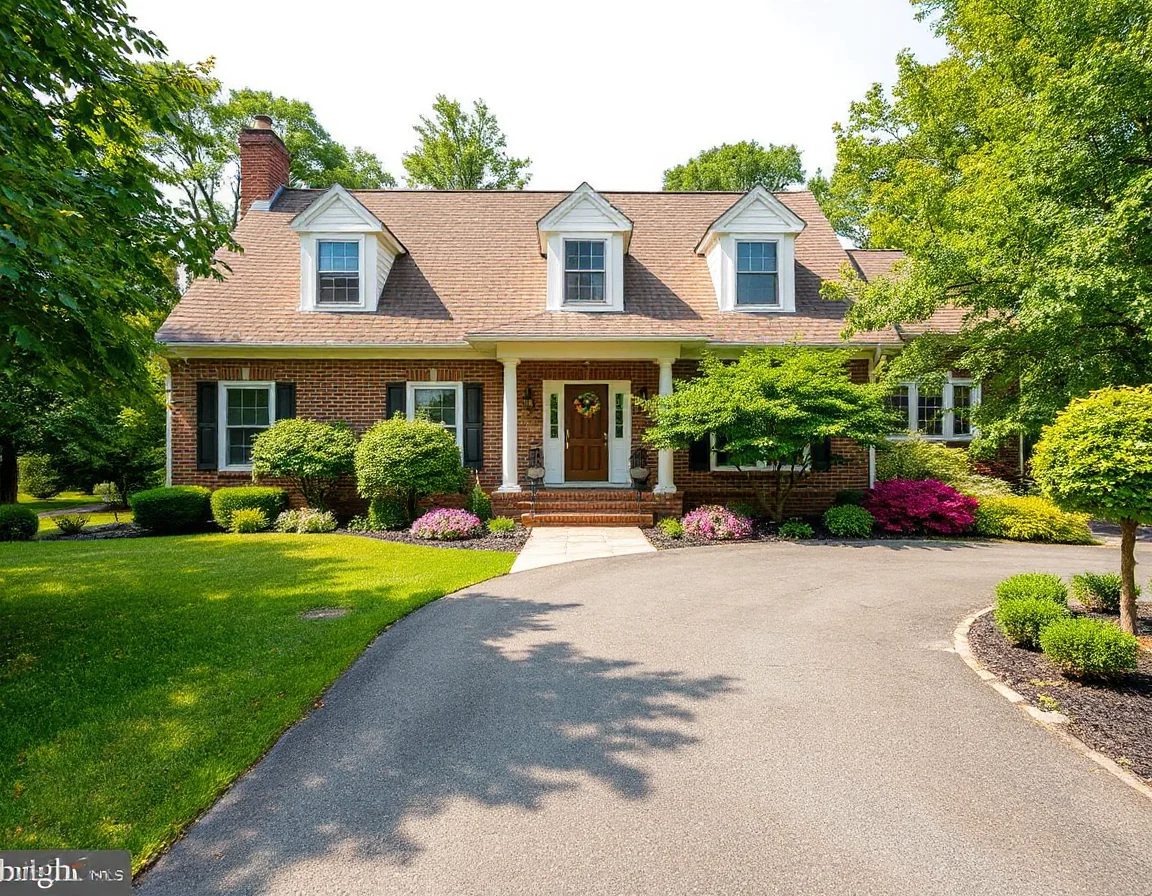
Forest Hill frequently draws attention for single-family neighborhoods with comfortable lot sizes, mature landscaping, and a more residential layout. Depending on the subdivision and the age of the home, buyers may find larger yards, more separation between homes, and floor plans that support home offices, hobby rooms, or flexible living spaces. That does not mean every property is large or every street is quiet; it simply means the overall pattern often feels a bit less concentrated than in and around Bel Air’s core.
Budget also stretches differently depending on what you value most. In one area, a buyer may gain proximity and convenience; in the other, the same range may unlock more outdoor space or a different neighborhood layout. Inventory changes quickly, so the best comparison is never theoretical. It is the set of active listings available during the weeks you are ready to move.
If you are weighing tradeoffs like newer finishes versus lot size, or lower-maintenance living versus a detached home, this is where a side-by-side showing schedule can be more useful than online browsing alone. Street layout, traffic patterns, and how homes sit on their lots are details that photos rarely capture well.
Amenities, Recreation, and the Shape of Daily Life
Bel Air’s advantage for many buyers is how much can be bundled into a smaller radius. Grocery runs, casual dining, fitness, services, and local events can often be handled efficiently, which matters if convenience is high on your list. The area’s established civic and commercial presence can make daily routines feel streamlined, especially for households managing busy workweeks or frequent appointments.
Forest Hill often wins points for a slightly more relaxed sense of spacing while still staying connected to those same county resources. Outdoor recreation is a meaningful part of the conversation here. Parks, athletic fields, and nearby trails contribute to a practical kind of livability that is less about spectacle and more about having room to move through the week. Buyers who enjoy a residential setting with quick access to green space often notice that difference right away.

Neither choice leaves you isolated from the rest of Harford County. Instead, the distinction is more about emphasis. Bel Air places more of the county’s day-to-day services and gathering places close together. Forest Hill tends to distribute the experience a little more, with residential areas that can feel less centered on one main hub.
If weekend plans matter as much as weekday logistics, compare how each area connects to parks, local events, and your most-used services. The better match often reveals itself once you map a normal week, not just a home tour.
For many buyers, that difference translates into lifestyle preferences around rhythm rather than status. Some want a location where a quick outing naturally leads past several useful stops. Others want the home base itself to feel slightly more removed from the busiest pockets, even if major conveniences remain a short drive away.
Commute Patterns, Market Pace, and Decision Strategy
Commute expectations also shape the choice. Depending on where you work in Harford County, Baltimore County, or farther south, one community may simply fit your routes better. Access to major roads, how quickly you can get through local intersections, and the time of day you travel all affect whether a location feels easy or frustrating. A map gives a baseline, but an in-person drive is much more revealing.
From a market perspective, both Forest Hill and Bel Air can attract steady buyer interest because they sit in established, well-known parts of the county. That means desirable homes may move quickly when they are well-priced and well-presented. Buyers should be ready to compare list price, condition, updates, and location specifics rather than assuming one community is always the more affordable or more competitive option. Micro-markets matter: a single subdivision, school boundary, or home style can shift the numbers significantly.
For sellers, this comparison matters too. Marketing a home in Bel Air may spotlight proximity and convenience, while marketing in Forest Hill may highlight neighborhood setting, lot use, or outdoor space. In either case, the most effective approach focuses on accurate pricing, clean presentation, and a clear understanding of what current buyers are prioritizing in that exact segment of the market.
In the end, Forest Hill and Bel Air are both compelling choices, but they serve slightly different preferences. If you want a more centralized feel with many daily needs clustered nearby, Bel Air may rise to the top. If you prefer a residential atmosphere with a bit more separation and easy access to open space, Forest Hill may feel more natural. The right answer usually appears when you compare not just homes, but how each location supports the way you actually live.